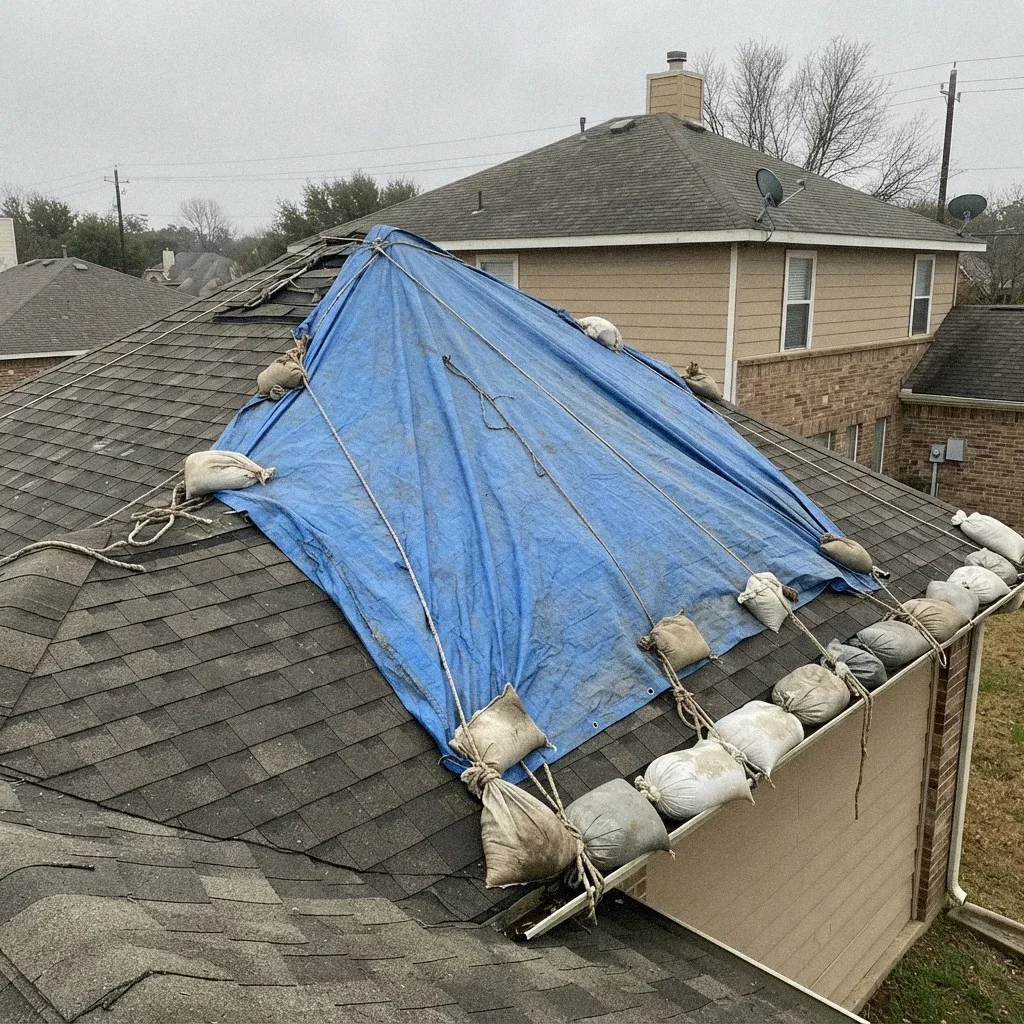
Emergency Roof Tarping
Fast, secure tarping for an open, leaking roof in Simi Valley
Learn about Emergency Roof TarpingNewer, larger no-HOA hillside homes near Tapo Canyon, built from the 1990s onward.
Big Sky is a hillside neighborhood in north Simi Valley, reached off Tapo Canyon Road as the arterial climbs away from the valley floor. Homes here sit on larger lots with no HOA governing the frontage, built newer than most of the city's tract housing stock, with lot lines drawn wide enough for view pads facing the Santa Susana Mountains.
Heat cycling, sun exposure, and wind-driven debris load matter more to a roof's lifespan than rainfall totals in most climates.
Sun does most of the work on a roof in Big Sky. Ten months of hard ultraviolet dries the oils out of asphalt shingles until they go brittle, and the first real rain of the season finds every place that brittleness has opened up.
Sitting higher on the Tapo Canyon grade than most of the city, Big Sky catches Santa Ana gusts with less to block them, which matters more here than the valley's general heat. Newer roofs built to Title 24 cool-roof standards from the 1990s on already account for that exposure better than older tract stock does. Rainfall totals here are modest but uneven — a dry majority of the year, then a compressed winter stretch carrying most of it. Roofs built or patched during the dry season often aren't tested until that first real storm arrives.
With Adventist Health Simi Valley in the area, a good share of the Big Sky work is commercial - and a commercial roof is a different job. Low-slope membrane, roof access booked in advance, and work staged around the tenants below.
We would rather you knew the range now than found out after the visit. Anything outside these figures gets explained before we start.
| Service | Estimated cost |
|---|---|
| Emergency Roof Tarping | an estimated $350–$1400 |
| Flashing & Chimney Repair | an estimated $350–$1900 |
| Flat & Low-Slope Roofing | an estimated $9000–$26000 |
| Moss Removal & Roof Cleaning | an estimated $400–$1600 |
Tapo Canyon Road is the frontage most Big Sky homes face or back onto, and it's the route that sets the neighborhood's drive time to Los Angeles Avenue and the rest of the city.
Big Sky Park sits inside the subdivision, unlike older city parks tied to school district attendance zones, and it gives this unincorporated-feeling pocket its identity apart from the surrounding Wildhorse tract.
Rocky Peak and the surrounding Simi Hills give Big Sky's view lots their elevation, a contrast to the flatter lot lines found on older streets nearer city limits and downtown.
Fast, secure tarping for an open, leaking roof in Simi Valley
Learn about Emergency Roof Tarping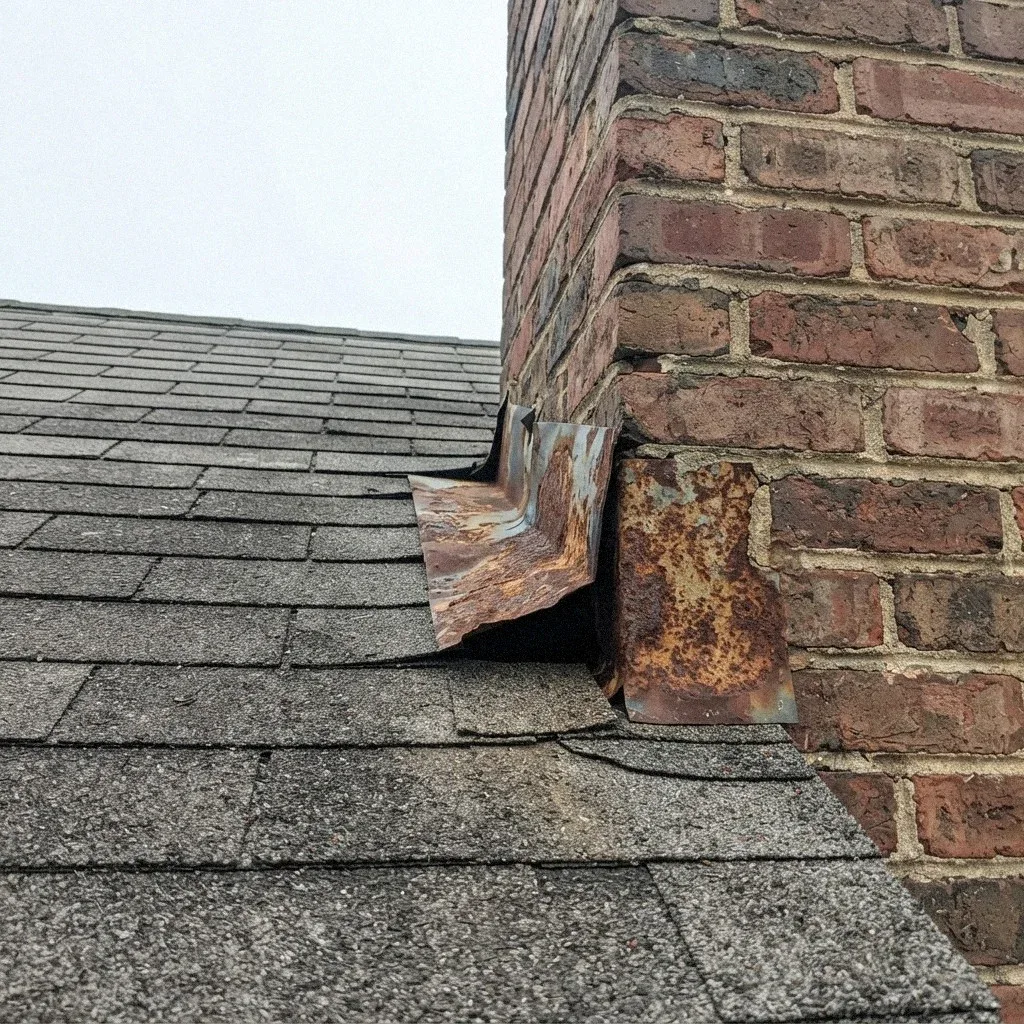
Repairing the metal that keeps your chimney and walls dry.
Learn about Flashing & Chimney Repair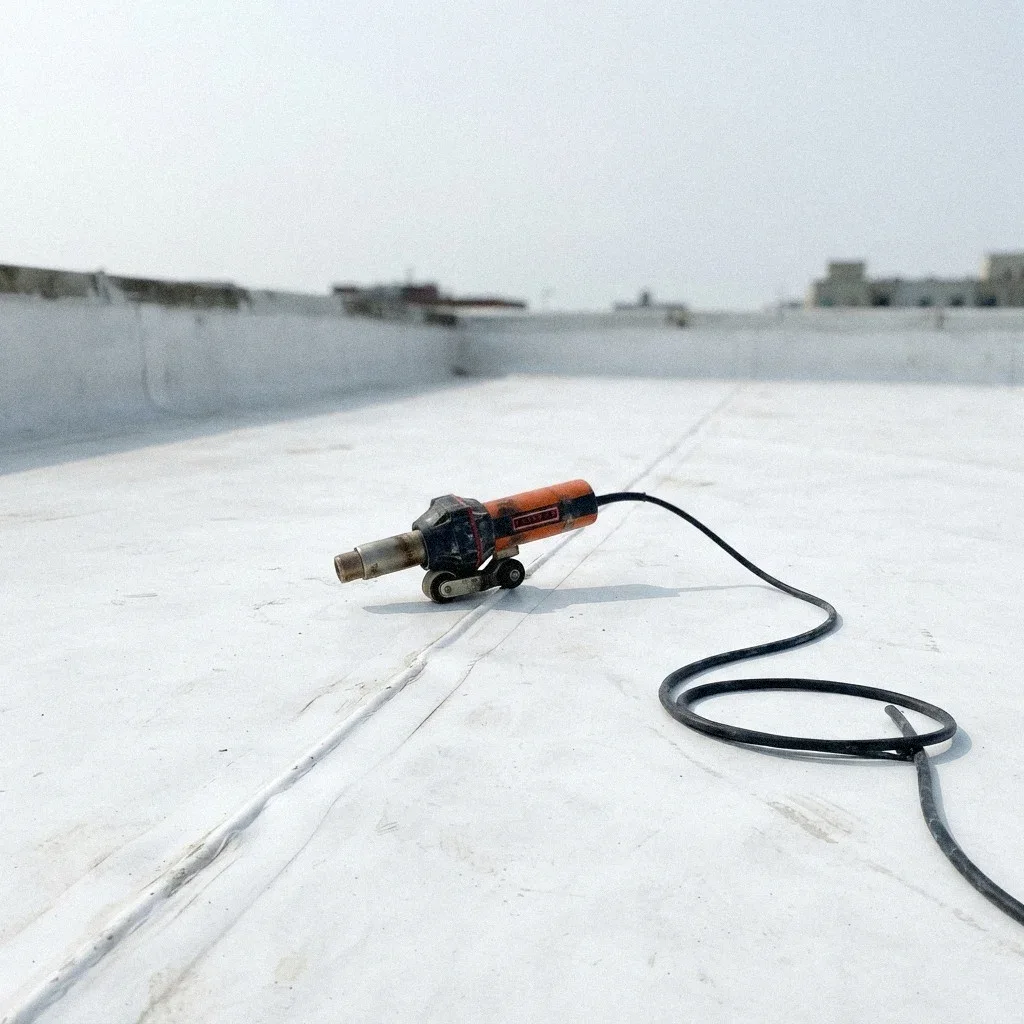
Low-slope membrane roofing built to drain, not pond.
Learn about Flat & Low-Slope Roofing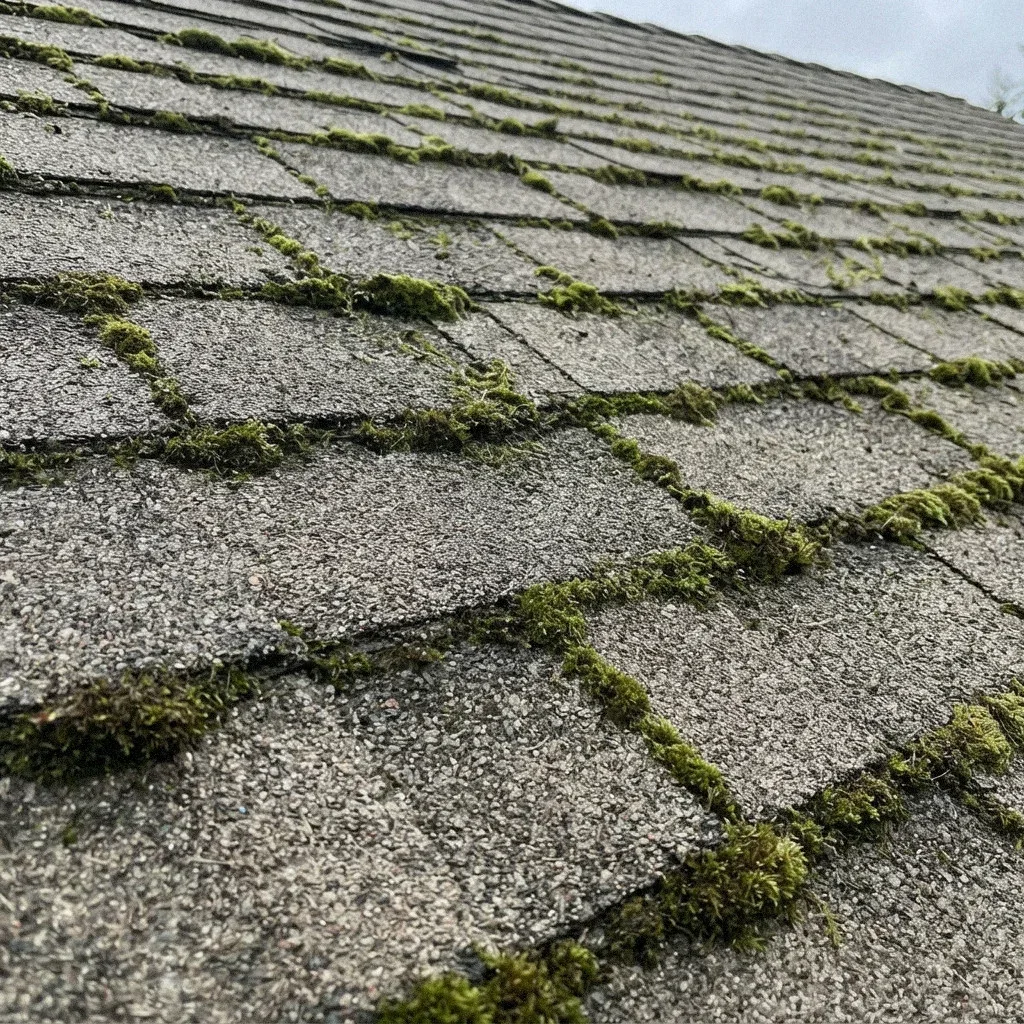
Soft wash moss removal that clears growth without cracking tile.
Learn about Moss Removal & Roof CleaningBig Sky's housing stock is newer than most of the city, built from the 1990s onward, so roofs here are less about age and more about weather exposure. No HOA reviews reroofing here, so owners handle permit and material decisions on their own timeline, often triggered by a remodel or a Santa Ana wind event rather than a fixed replacement schedule.
Yes. Elevation near Rocky Peak and the Simi Hills means more direct sun and wind exposure on exposed roof planes. Larger lots with wider frontage also mean more roof surface per house on average, and hillside grading can affect how water sheds off multi-plane rooflines during the valley's short, intense winter storms.
A tear-off usually needs a Simi Valley building permit, while a smaller patch job on an existing tile or shingle roof often does not, depending on the square footage touched. Big Sky's no-HOA setup means there's no separate design review layer to clear first. Confirm scope and permit need with the city before work starts.
It can. Without HOA architectural guidelines governing roof color or material, Big Sky owners have more flexibility than residents in covenant-controlled subdivisions elsewhere in the city. Choices still have to meet Title 24 cool-roof requirements and any city permitting rules, but there's no separate association sign-off needed before work starts.
Big Sky's hillside position near the Simi Hills and Rocky Peak puts it in the path of Santa Ana wind events that sweep through this part of the valley. On red flag warning days, wind can lift loose tile or shingle edges on exposed hillside rooflines faster than it would on sheltered, lower-lying streets closer to the Arroyo Simi.
Evenings, weekends, and public holidays are all covered for Big Sky through the emergency line. Routine bookings here typically go out within a day or two, helped by the fact you are a short drive from Simi Valley. Describe the situation on the phone and you will get a straight answer on whether after-hours is genuinely warranted.
Every part of Simi Valley shares the same Santa Ana winds and long dry stretches between winter storms, but the effect on a roof shifts by location. Homes near Rocky Peak and the Santa Susana Mountains face different wind exposure than houses closer to Tapo Canyon Regional Park. Rather than assume your street matches a neighbor's, ask the licensed pros we connect you with what they see on roofs like yours in this specific part of the valley.
Call (805) 463-1431