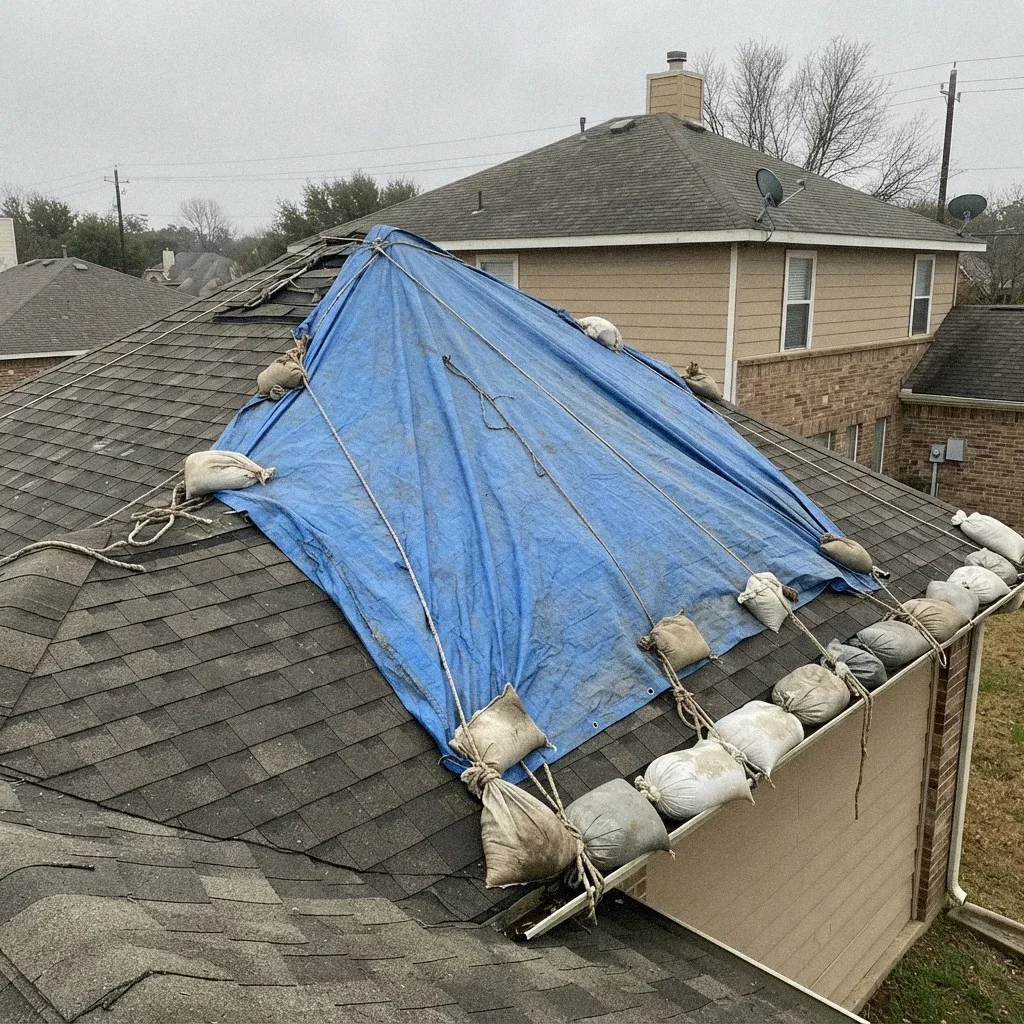
Emergency Roof Tarping
Fast, secure tarping for an open, leaking roof in Simi Valley
Learn about Emergency Roof TarpingTract streets under Mount McCoy meet unincorporated cabin lots near the pass.
East Simi Valley runs from around Tapo Canyon toward Santa Susana Knolls and the pass, a stretch of unincorporated pockets and annexed tract blocks sitting under Mount McCoy's ridgeline, with Los Angeles Avenue as the corridor tying the frontage together.
Heat cycling, sun exposure, and wind-driven debris load matter more to a roof's lifespan than rainfall totals in most climates.
Roofs here spend most of the year dry, and dry hides things. A cracked boot or a lifted piece of flashing in East Simi Valley shows nothing at all until the first heavy rain, and by then it has usually been open for months.
Arroyo Simi raises the humidity noticeably around the houses nearest it. That shows up in the attic as much as on the roof - condensation on the underside of the sheathing is a ventilation problem, not a leak, and the two look identical from below.
Wind is the bigger factor than rain here, given how close these blocks sit to the pass; homeowners under Mount McCoy's ridgeline tend to watch gust forecasts on dry autumn days more than they watch the rain gauge. Rainfall totals here are modest but uneven — a dry majority of the year, then a compressed winter stretch carrying most of it. Roofs built or patched during the dry season often aren't tested until that first real storm arrives.
Because of Adventist Health Simi Valley, there is a steady stream of non-residential work in East Simi Valley. On an occupied building the constraint is rarely the roof - it is getting equipment up there without shutting the business underneath.
We would rather you knew the range now than found out after the visit. Anything outside these figures gets explained before we start.
| Service | Estimated cost |
|---|---|
| Emergency Roof Tarping | an estimated $350–$1400 |
| Flashing & Chimney Repair | an estimated $350–$1900 |
| Flat & Low-Slope Roofing | an estimated $9000–$26000 |
Santa Susana Knolls sits just uphill, and its narrow, irregular lot lines mean roofs up there deal with steeper pitches and tighter access than the flatter tract streets below in East Simi Valley.
Rancho Simi Community Park anchors the flatter tract streets nearby, where low-pitched hip roofs sit close together on lots sized for the 1970s subdivision pattern rather than the wider hillside parcels above.
Santa Susana Pass marks where East Simi Valley ends and the drive toward Chatsworth begins, and the exposed grade along that route sees some of the harder Santa Ana wind gusts in the city.
Fast, secure tarping for an open, leaking roof in Simi Valley
Learn about Emergency Roof Tarping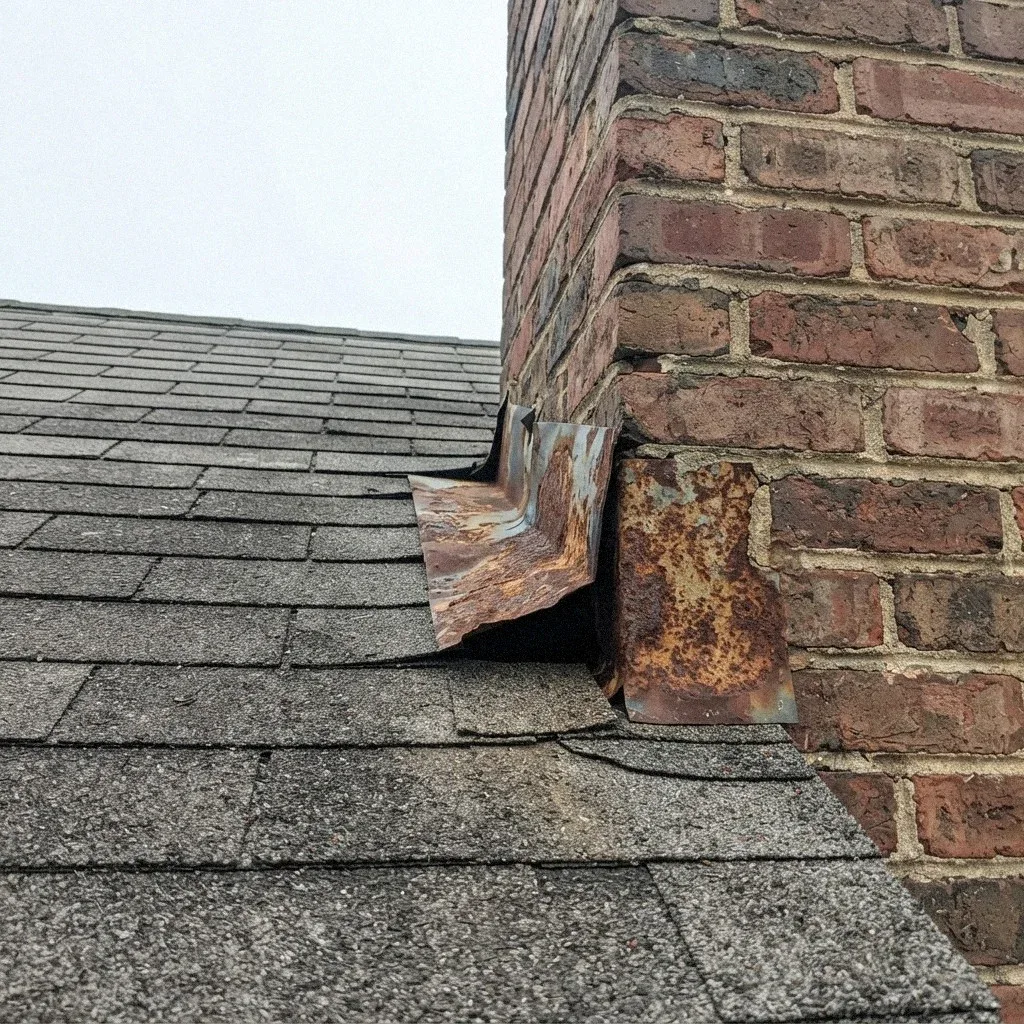
Repairing the metal that keeps your chimney and walls dry.
Learn about Flashing & Chimney Repair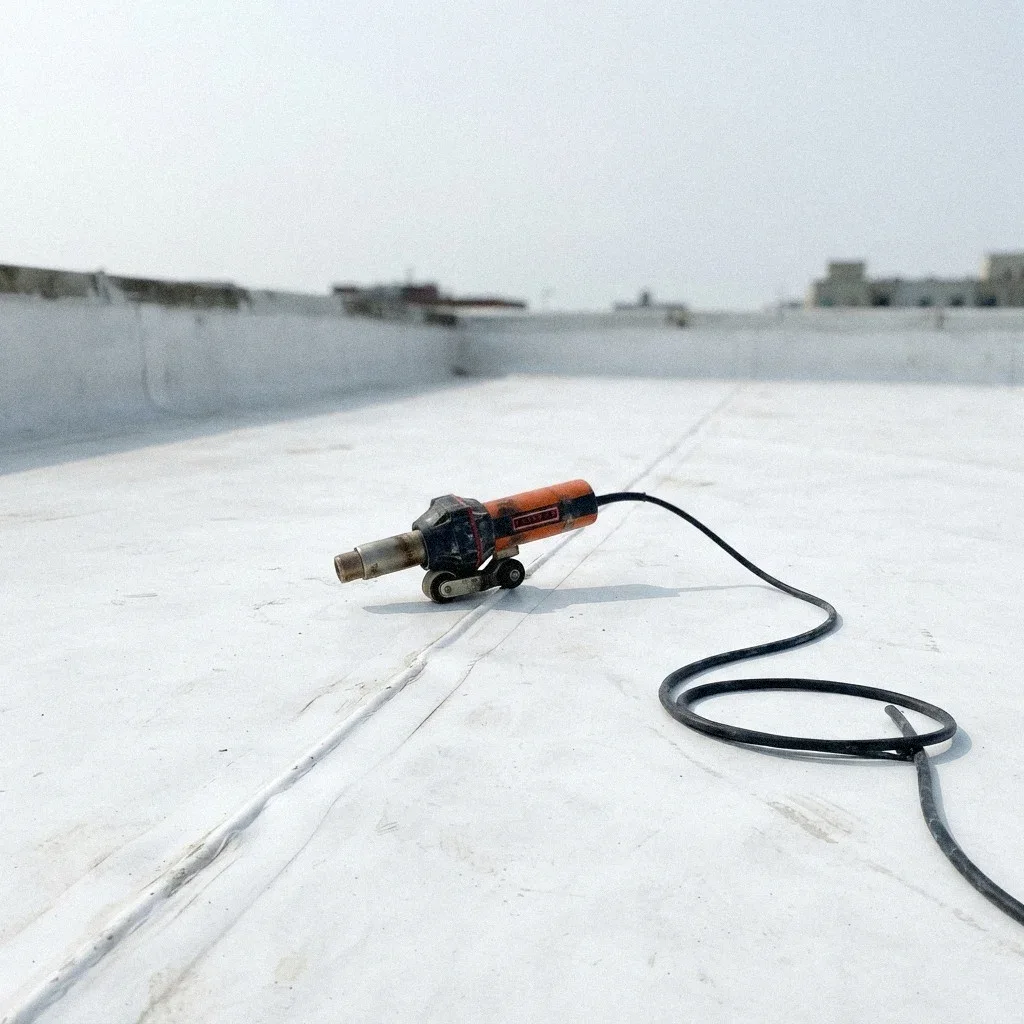
Low-slope membrane roofing built to drain, not pond.
Learn about Flat & Low-Slope Roofing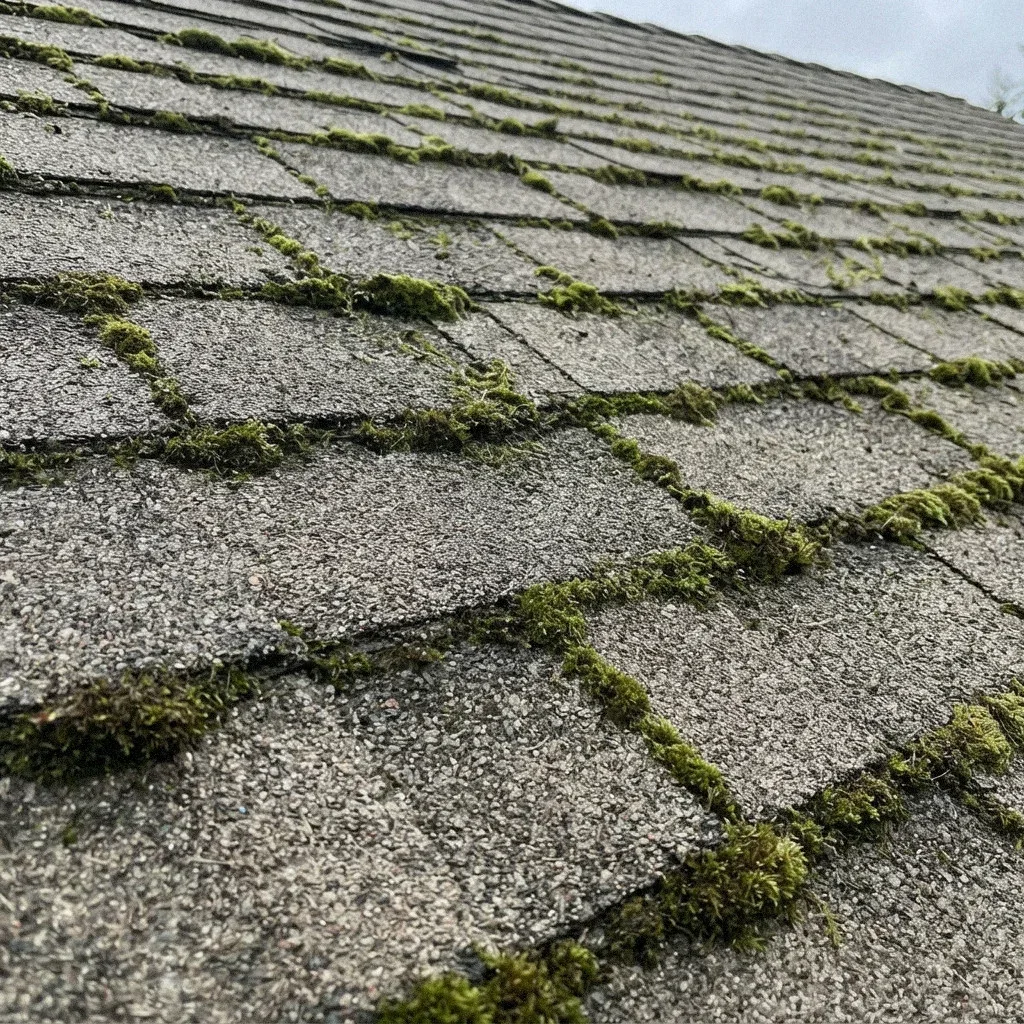
Soft wash moss removal that clears growth without cracking tile.
Learn about Moss Removal & Roof CleaningYes. East Simi Valley homes built during the 1970s and 1980s tract boom mostly carry concrete or clay tile roofs, and those original coverings are now old enough that underlayment failure is common even when the tile itself still looks fine from Kuehner Drive or Erringer Road. A licensed inspection can tell you whether you need a full tear-off or a tile-safe underlayment restoration.
Homes backing directly onto Tapo Canyon or sitting up in Santa Susana Knolls face more ember exposure on red flag warning days than interior tract lots. Defensible space and ember-resistant roof detailing matter more here than on flatter, centrally located streets in Simi Valley.
Some of East Simi Valley sits within Simi Valley city limits, and some of the hillside pockets, including parts of Santa Susana Knolls, remain unincorporated Ventura County land. That split affects which permitting office and inspection process a re-roof falls under.
East Simi Valley falls within the Simi Valley Unified School District, the same district that covers most of the city. School district boundaries don't set roofing rules directly, but they're a useful way for residents to confirm which side of the annexation line their block sits on.
Reach out through this site and get matched with licensed pros covering East Simi Valley, from the tract streets near Tapo Canyon down through the Los Angeles Avenue corridor and up into the unincorporated pockets around Santa Susana Knolls. They can size up your specific roof and lot before quoting anything.
Yes. East Simi Valley sits a short drive from Simi Valley, so same-day slots are realistic when you call in the morning. The emergency line runs 24 hours for anything unsafe or spreading fast, and that includes weekends and holidays. For a contained problem, a booked daytime visit is the same work for less money.
Every part of Simi Valley shares the same Santa Ana winds and long dry stretches between winter storms, but the effect on a roof shifts by location. Homes near Rocky Peak and the Santa Susana Mountains face different wind exposure than houses closer to Tapo Canyon Regional Park. Rather than assume your street matches a neighbor's, ask the licensed pros we connect you with what they see on roofs like yours in this specific part of the valley.
Call (805) 463-1431