Materials & Types
Why Simi Valley Roofs Wear Out Early
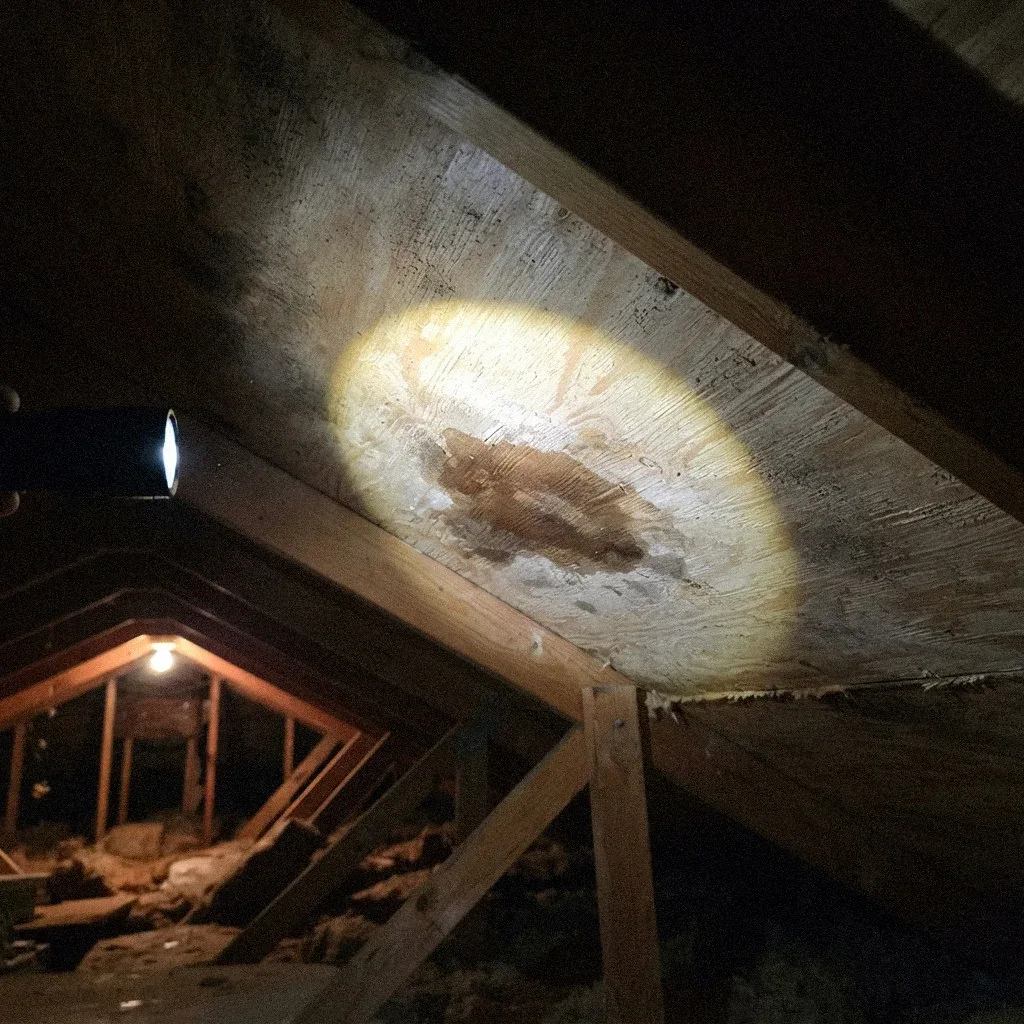
Simi Valley roofs rarely fail from one storm. They lose years to shaded valleys, clogged debris, weak flashing, and attic moisture that never gets a chance to dry out.
Read article
Simi Valley roofs sit under Santa Ana winds and hillside sun most other guides never mention. A tile roof near Bridle Path ages differently than a flat tract roof off Tapo Canyon. These guides walk through what actually wears a roof down here, block by block.
Read these before a red flag warning day forces a decision, or before you sign with any of the licensed pros we connect you with. They're built for homeowners near Rancho Simi Community Park or the Santa Susana Knolls comparing bids, not guessing at what a quote should include.
These guides exist for homeowners who want specifics, not generic advice: what a tile roof does after twenty summers of Santa Ana winds, why red flag warning days change what pros check first, how a slab foundation home near the Arroyo Simi handles a rare hard storm. Read before you need answers, not while a contractor is on the phone.
Simi Valley roofs rarely fail from one storm. They lose years to shaded valleys, clogged debris, weak flashing, and attic moisture that never gets a chance to dry out.
Read article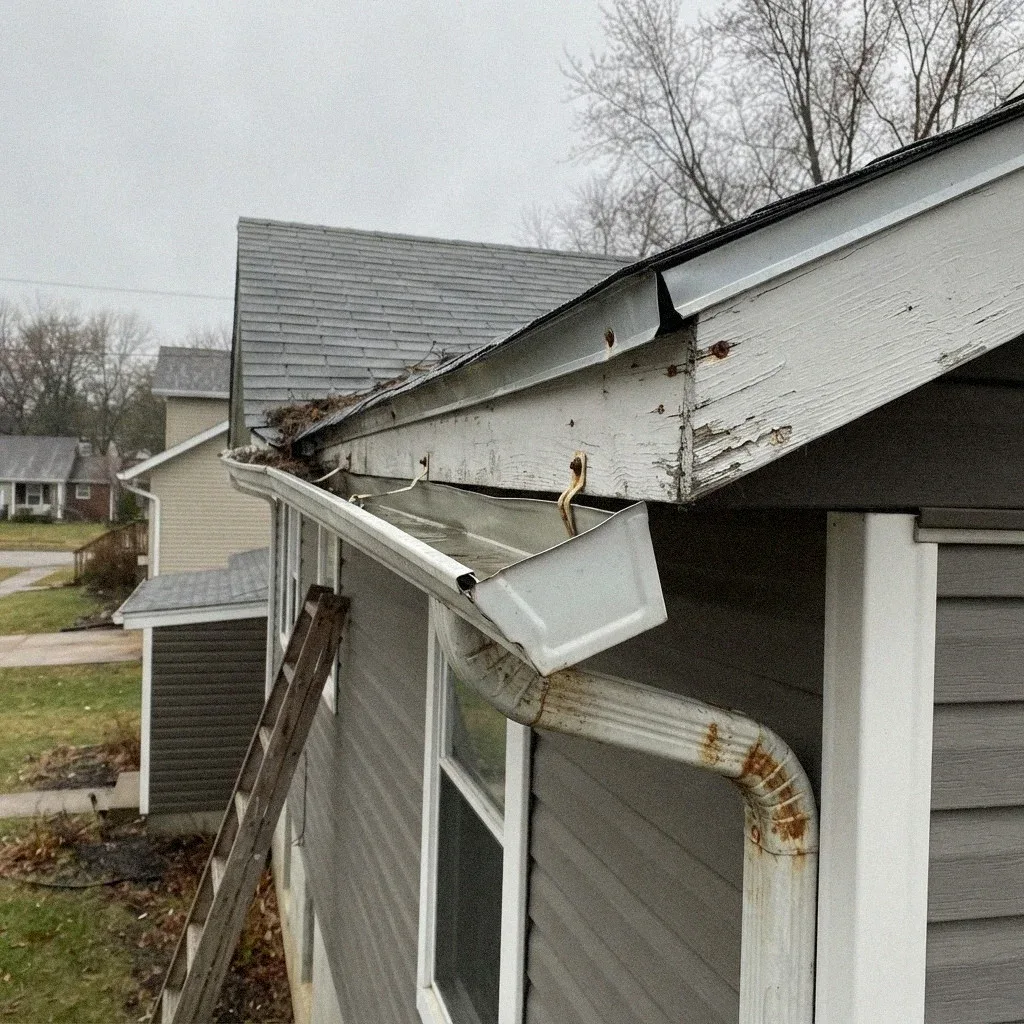
Rain here arrives in a short winter run rather than spread across the year, so a roof is either ready for the first storm or it is not. The order these checks happen in matters nearly as much as doing them at all.
Read article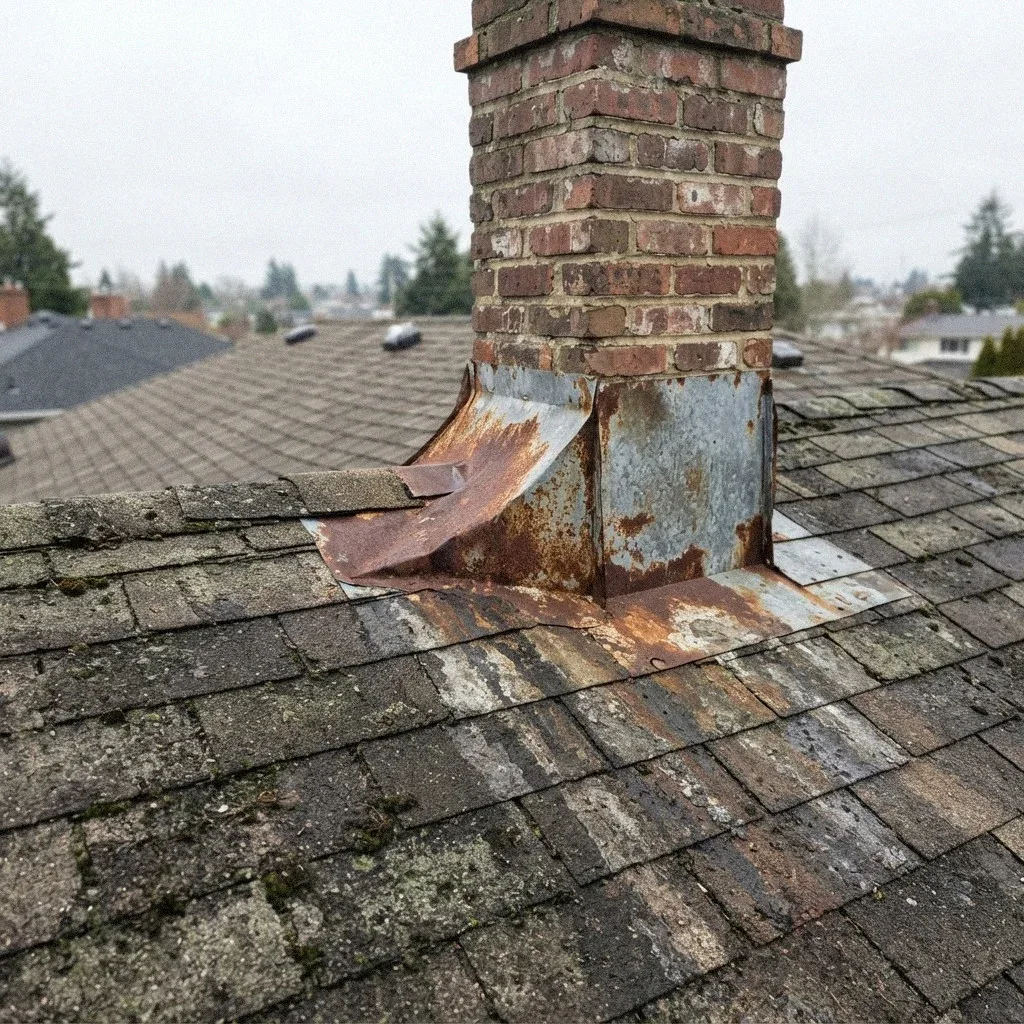
Most Simi Valley roof leaks start at the same handful of joints, not the shingles or tiles themselves. Here's a ranked look at the entry points, from valleys to skylight curbs, and why each one fails.
Read articleSpecific to this valley. The guides talk about clay tile roofs baking under Santa Ana wind stretches, hillside lots near the Santa Susana Mountains catching ember debris, and the flat-tract slab construction common from Bridle Path to Wood Ranch. None of it is copied from generic Southern California roofing content.
There's no fixed schedule. They get another look after a red flag warning stretch, a heavy winter storm run, or when a rule like the state's contractor licensing exemption changes, which happened for 2026. Between those triggers, the core guidance on tile roofs and valley heat holds steady.
Worth a skim first. The service pages describe what work gets done; the guides explain the reasoning behind it, like why a 100 square foot re-roof in Simi Valley triggers a city permit, or what ash buildup after a dry season does to a roof near Tapo Canyon.
These posts dig into problems that actually turn up on Simi Valley roofs: tile cracked by years of valley heat, gutters overwhelmed during a rare hard rain off the Santa Susana Mountains, shingle granules washing toward the Arroyo Simi after a storm. Reading through them can point you toward what your own roof might be dealing with. When it is time to act instead of read, the licensed pros we connect you with can look at the actual roof over your head.
Call (805) 463-1431