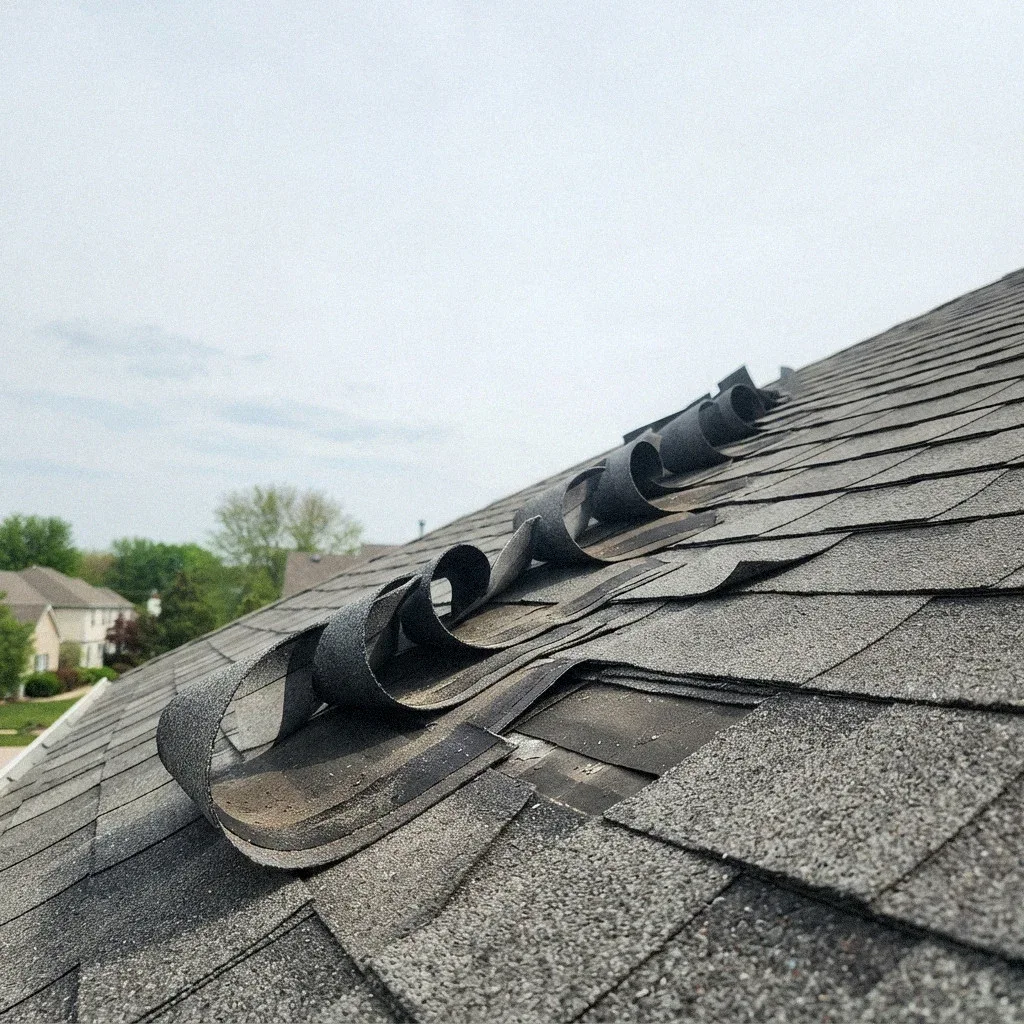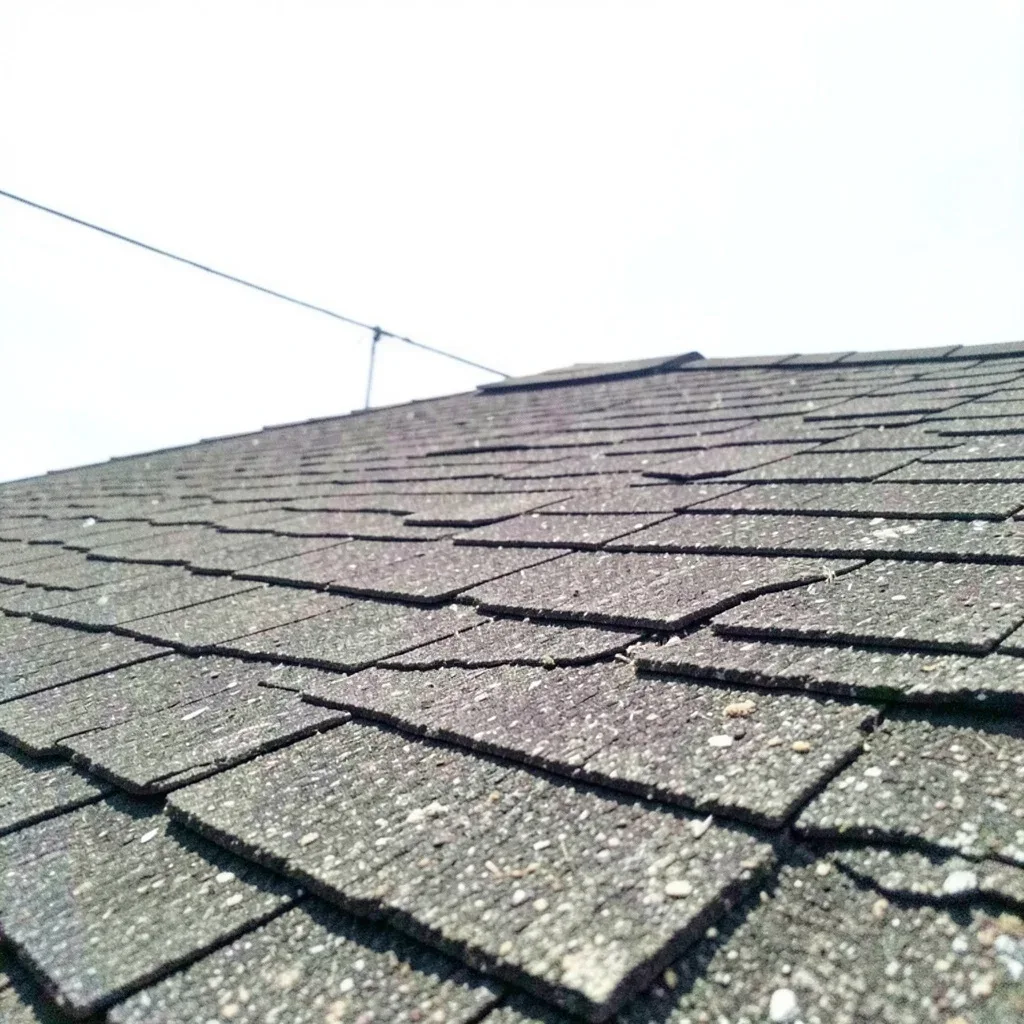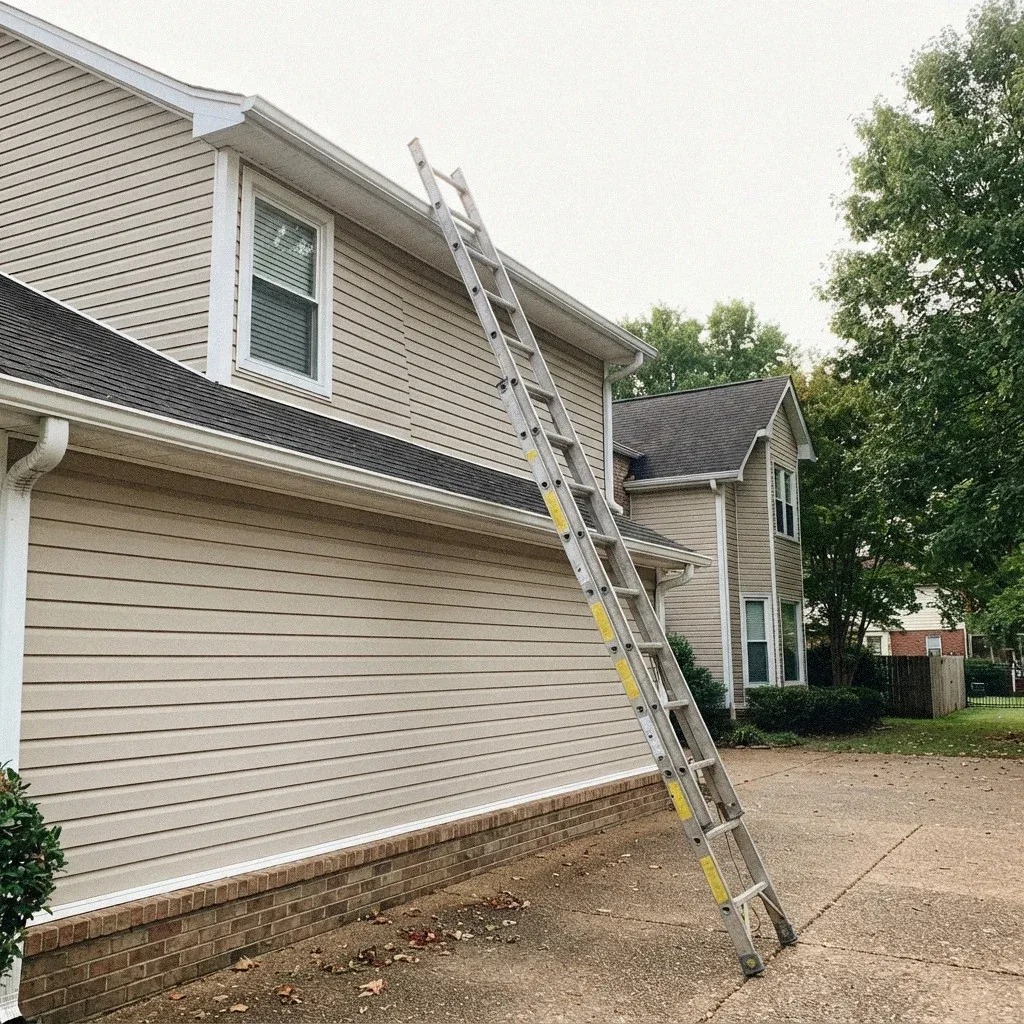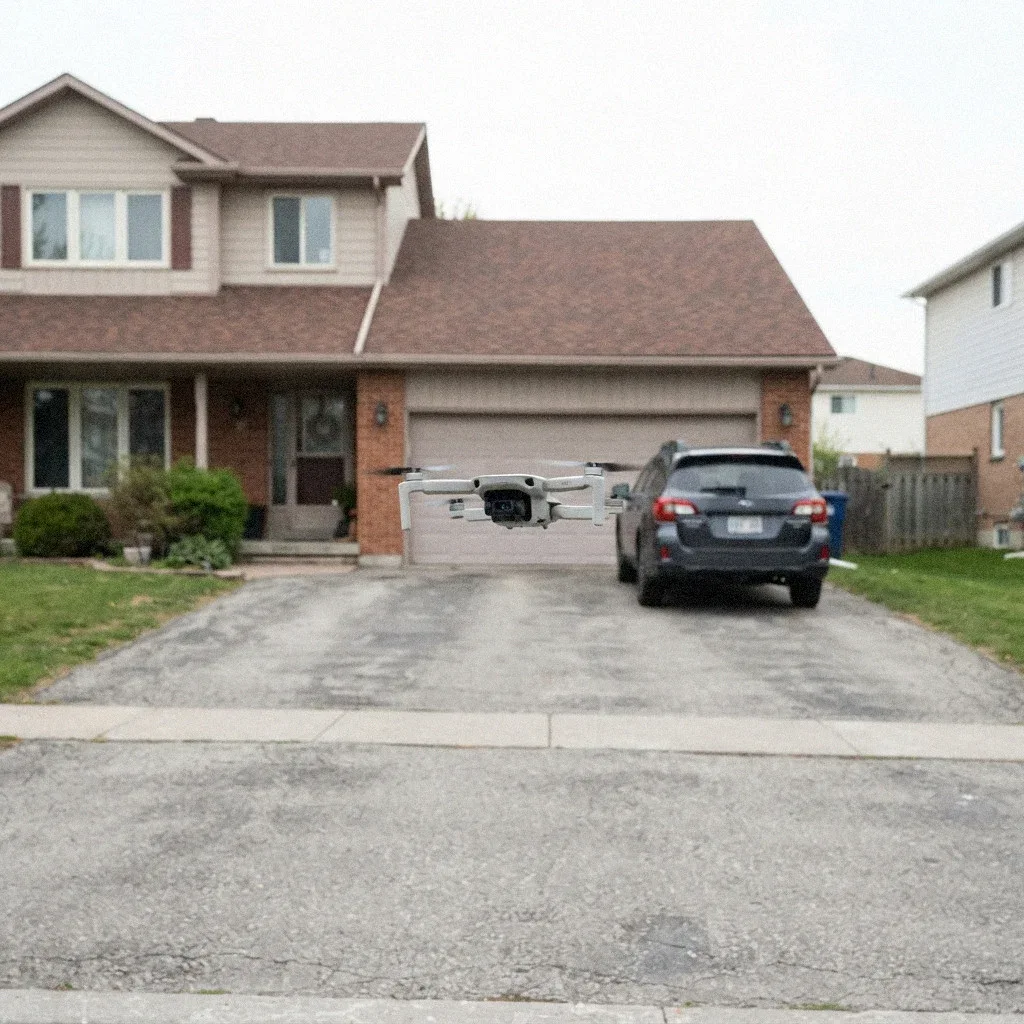
A Simi Valley roof doesn't need daily worry, but it does need a baseline inspection on a set rhythm. Once a year is the common starting point for most tract homes here, since a fixed schedule catches slow problems before the next stretch of Santa Ana winds or a summer heat run pushes on a roof that's already stressed. That single yearly look is the floor, not the whole plan.
Roof Age Shortens the Interval
Age changes the rhythm because failures cluster at the end of a roof's life rather than spreading evenly across it. A covering in its first decade rarely produces anything new between one annual look and the next. Past twenty years the picture moves faster: sealant strips let go, boots crack, fasteners back out, and any one of those can start a leak inside a single winter. So the usual pattern here is once a year while a roof is young, then twice a year once it is into the last third of its expected life, which on most Simi Valley tract homes means somewhere past the twenty-year mark.
Clay Tile Sets Its Own Pace
Covering material changes the math as much as age does. Clay tile, common across Simi Valley subdivisions, is durable on top but relies on underlayment and flashing underneath that age on their own timeline, hidden from a driveway view. A roof with tile in good shape can still need a closer inspection interval if that underlying layer is nearing the end of what it was built to last.
Storms and Wind Trigger a Check
Baseline timing assumes a quiet stretch between visits, and Simi Valley doesn't always give one. A post-storm check, or one after a red flag warning day with strong gusts, is its own event-triggered inspection, separate from wherever the calendar sits. Wind off the Santa Susana Mountains can lift tile or shift flashing without leaving obvious damage from the ground, which is exactly why the check matters.
Selling the House Adds a Look
A pre-sale inspection runs on its own timetable, not the calendar's. Buyers and lenders in Ventura County typically want a current roof condition report before closing, and a seller who orders one ahead of listing avoids a surprise showing up during someone else's contingency period. It's worth doing even on a roof that passed its last routine check without issue.
Warranty Terms Can Set the Clock
Some manufacturer and workmanship warranties on tile roofs carry a warranty maintenance requirement, meaning coverage only stays active if inspections happen on the schedule the warranty names, not whatever interval an owner would otherwise pick. Skipping that schedule can leave a homeowner paying full price for a repair a warranty was supposed to cover, even years before the roof itself actually fails.
Other Events That Move Up the Date
Beyond wind and sale, a handful of other events justify moving the next inspection earlier regardless of the calendar. A fallen tree limb, new solar panels or a satellite mount, a visible sag along the ridge, or animals getting into the attic space are all reasons to call sooner. None of these wait well, since each one tends to get worse quietly between visits.
What a Ground Survey Can Show
A fair amount, which is worth knowing before anybody climbs anything. From the yard with binoculars an owner can see whether courses run straight, whether any tile has slipped or cracked, whether ridge caps sit flat, and whether one slope looks noticeably duller than another. Gutters tell their own story, since grit and dark flakes in the trough are the roof reporting on itself. What the ground cannot show is anything flat, so valleys, low-slope sections over patios and every flashing detail stay invisible. That is the honest limit, and it is why a ground survey narrows the question rather than answering it.
What an Attic Look Reveals
The attic is the cheapest inspection available and most people never use it. From inside, on a dry day, daylight showing through anywhere means an open path. Dark patches on the underside of the deck trace where water has already been. Rust on the nail points says moisture has been condensing rather than leaking. Flattened insulation says it has been wet at some point. None of that needs a ladder on the roof, and all of it dates the problem, because wood takes several wettings before it darkens and a stain up there is never new.
Keeping a Simple Inspection File
An inspection file, even a loose folder of dated photos and notes, makes every future inspection sharper. A photo record from last spring gives whoever looks at the roof next something to compare against, so a new crack or a shifted tile stands out instead of blending into a roof nobody has a baseline for.
Sorting What Can Wait
Not everything found needs doing now, and a report that treats it all as urgent is not much use to anybody. The split that matters is whether a thing lets water in. A cracked boot, an open flashing lap, or debris packed into a valley all get dealt with before the first storm, because each one is a leak waiting for rain. Granule thinning, a duller slope, or a gutter that needs rehanging can sit until the next dry season without costing anything. Asking for the list in that order, rather than as one long column of findings, is what turns an inspection into a plan.
Matching the Schedule to the House
No fixed interval works for every roof around Simi Valley. A newer tile roof on a home near Wood Ranch might hold up fine on one check a year, while an original roof on a hillside lot near Bridle Path, exposed to more direct sun and wind, may need two. The right cadence follows the roof's own age, material, and location, not a number picked in advance.
Dealing with this in your home?
Simi Valley roofs face a different clock than shaded lots elsewhere. Tract homes off Erringer Road and near Rancho Simi Community Park sit exposed under direct sun for decades, with Santa Ana winds testing every loose tile between First Street and the Santa Susana foothills. Red flag warning days push that timeline faster than most homeowners expect.