A roof leak in a Simi Valley rental, whether it's a tract home off Cochran Street or an apartment near Tapo Canyon, lands on the landlord's side of the ledger. California's habitability rule doesn't ask why the roof failed. It asks whether the unit is still fit to live in, and a ceiling that's letting in water from a winter storm usually answers that question on its own.
What Counts As Habitable Here
Habitability under California law means the structure keeps weather out, plain and simple. A Simi Valley home doesn't need to survive snow load or coastal salt air, but it does need a roof that holds up through the valley's short, hard winter storms. A ceiling actively dripping onto a bedroom floor or closet fails that standard regardless of how the tenant's lease describes maintenance.
Making the Repair Request Formal
A phone call to the property manager doesn't start any legal clock. California law expects a written repair request, something dated and specific about where the leak is and when it started. A tenant near Wood Ranch or Bridle Path who mails or emails that notice creates the record that everything else in this process depends on later.
The Landlord's Repair Window
California treats 30 days as a presumed reasonable time to repair once a landlord has written notice of a habitability defect. That presumption can shift depending on how severe the leak is and how hard the fix is to schedule. A slow drip during a dry stretch reads differently than a roof failing during an active storm over the Arroyo Simi watershed.
If the Roof Still Isn't Fixed
When 30 days pass with no real progress, California gives the tenant two paths. They can pay for the repair themselves and subtract that cost from the next rent payment, capped at twice in any twelve-month stretch. Or they can end the tenancy and walk away without owing further rent. Both routes assume the written notice went in first.
Rent Has to Stay Current
Repair and deduct only works for a tenant who is current on rent when they use it. Falling behind on payments before invoking that remedy weakens the tenant's position considerably. A Simi Valley renter near Rancho Simi Community Park who wants this option needs the rent ledger clean, not the roof, to make the claim stick.
Letting the Landlord Onto the Roof
A landlord's duty to fix a roof leak in Simi Valley starts with written notice describing the damage and when it started. California's habitability standard treats a failed roof as a defect the owner must correct, but the clock only really starts once the tenant puts the request in writing rather than mentioning it in passing. Thirty days counts as a reasonable repair window under state law, though a fast-moving leak during a winter storm may call for quicker action.
Building the Paper Trail
Dated photos of the water stain, a short written log of when it appeared and spread, and saved copies of every message sent about the leak all matter. This documentation timeline is what turns a dispute into a clear record if the landlord and tenant end up disagreeing later about when notice was given or how bad the damage really was.
New Damage or Old Wear
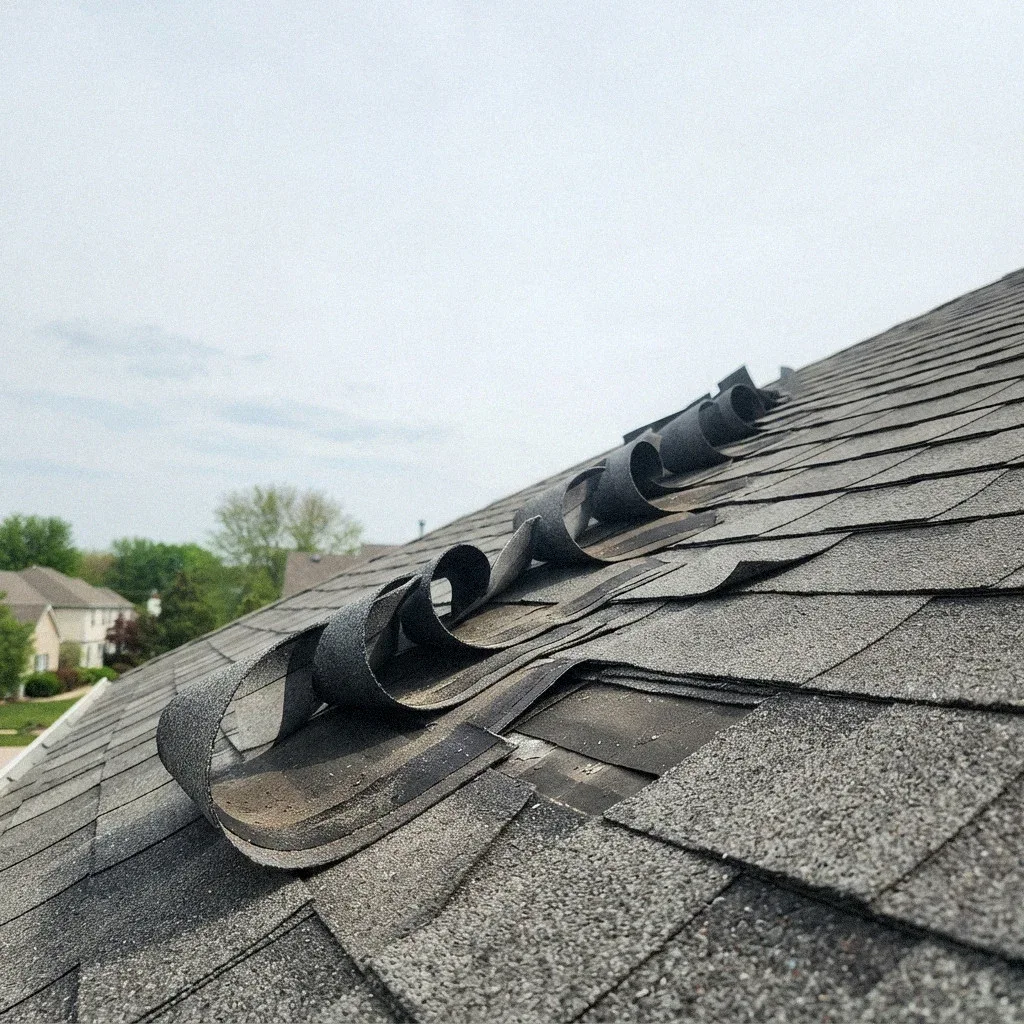
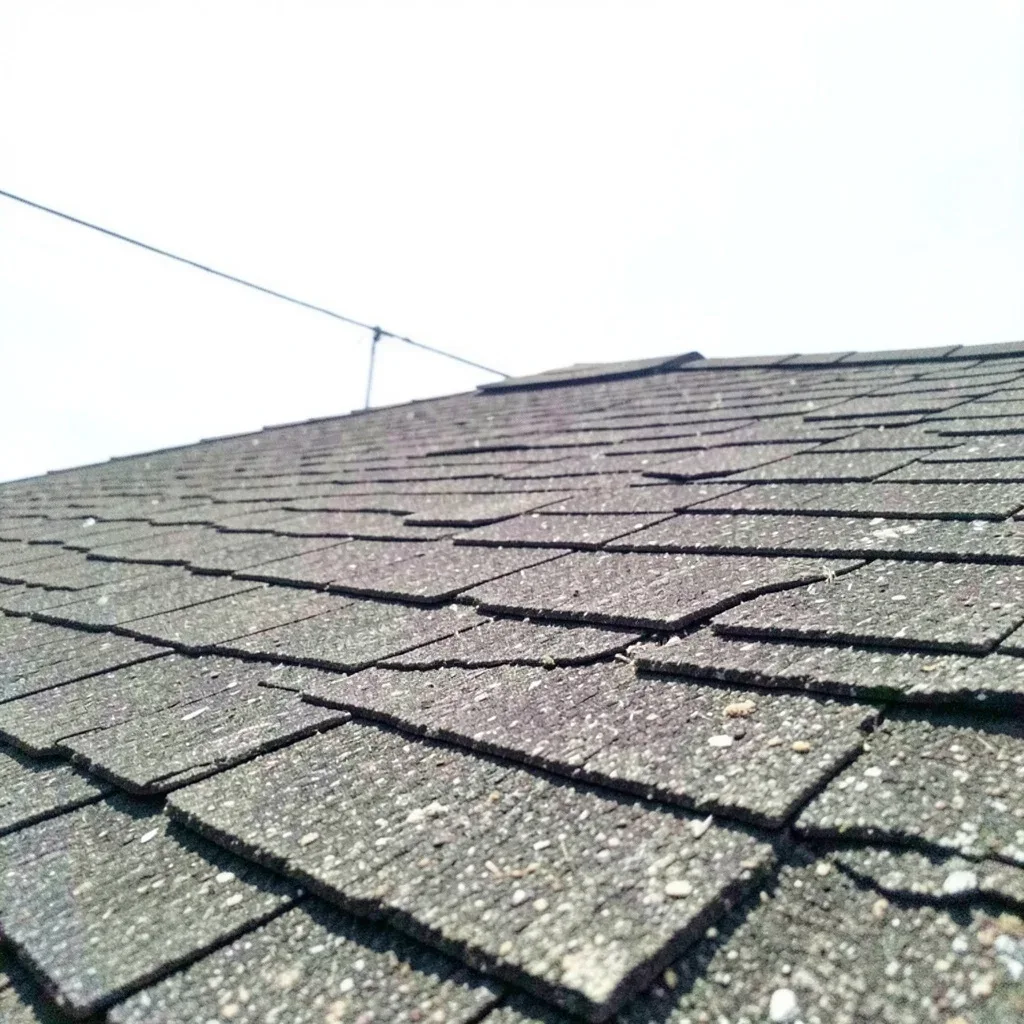
Tenants sometimes confuse an old, worn roof with an emergency, and the difference matters. Gradual wear, like a tile roof past its expected life on a 1970s or 1980s tract home, is different from sudden damage tied to a specific storm or a fallen branch after Santa Ana winds. Photograph the affected ceiling or wall as soon as it appears, note the date, and keep that record alongside the written repair request sent to the landlord.
When the Leak Ruins Belongings
Water coming through the roof can soak furniture, electronics, or boxes stored against a wall, and that raises a separate question from the roof itself. Renters insurance, which covers a tenant's own property, is usually the tool for that loss. The roof's condition and the tenant's ruined belongings are handled as two different problems, not one claim.
Checking the Rules That Apply
The notice period, the 30-day repair window, and the repair-and-deduct limits all trace back to California Civil Code, not to city ordinance. A facts file jurisdiction check turned up no Simi Valley or Ventura County rule layered on top of state law here, so a tenant or landlord working through this should rely on the state statute as the governing rule.
What a Tenant Should Take From This
A leaking roof in a Simi Valley rental is a maintenance problem first, and the lease maintenance clause rarely overrides what state law already requires. Getting the notice in writing, keeping rent current, and logging the damage as it happens gives a tenant real tenant remedies if the landlord stalls, rather than just a frustrating wait through the next storm.
Dealing with this in your home?
Simi Valley roofs face a different clock than shaded lots elsewhere. Tract homes off Erringer Road and near Rancho Simi Community Park sit exposed under direct sun for decades, with Santa Ana winds testing every loose tile between First Street and the Santa Susana foothills. Red flag warning days push that timeline faster than most homeowners expect.