An old roof does not keep a Simi Valley house off the market, but it changes the shape of the sale. Buyers looking at tract homes near Rancho Simi Community Park or hillside lots closer to the Santa Susana Mountains tend to ask pointed questions once they notice a roof that has spent twenty summers under Santa Ana sun. That question shows up early, usually before an offer, and it shapes everything from pricing talk to what happens after inspection.
Disclosure Duties for Sellers
California sellers fill out a seller disclosure statement describing the home's condition, including any known material defect. That duty covers what the seller actually knows, like a known leak near a valley or a tile that's been patched twice, not a hidden problem nobody has spotted. A seller who has lived through a Simi Valley summer under a roof that's clearly aged should describe what they know plainly rather than guess at what an inspector might later find.
Listing As-Is With Visible Age
Some Simi Valley sellers list a home as-is when the roof shows its age, meaning they aren't planning repairs before closing. An as-is sale doesn't erase the disclosure duty, and it doesn't stop a buyer from asking questions or making the roof part of negotiations. It simply signals upfront that the seller isn't offering to fix things first, which buyers near older tracts around Wood Ranch or Tapo Canyon often expect to see spelled out clearly in the listing.
What Buyer Inspections Cover
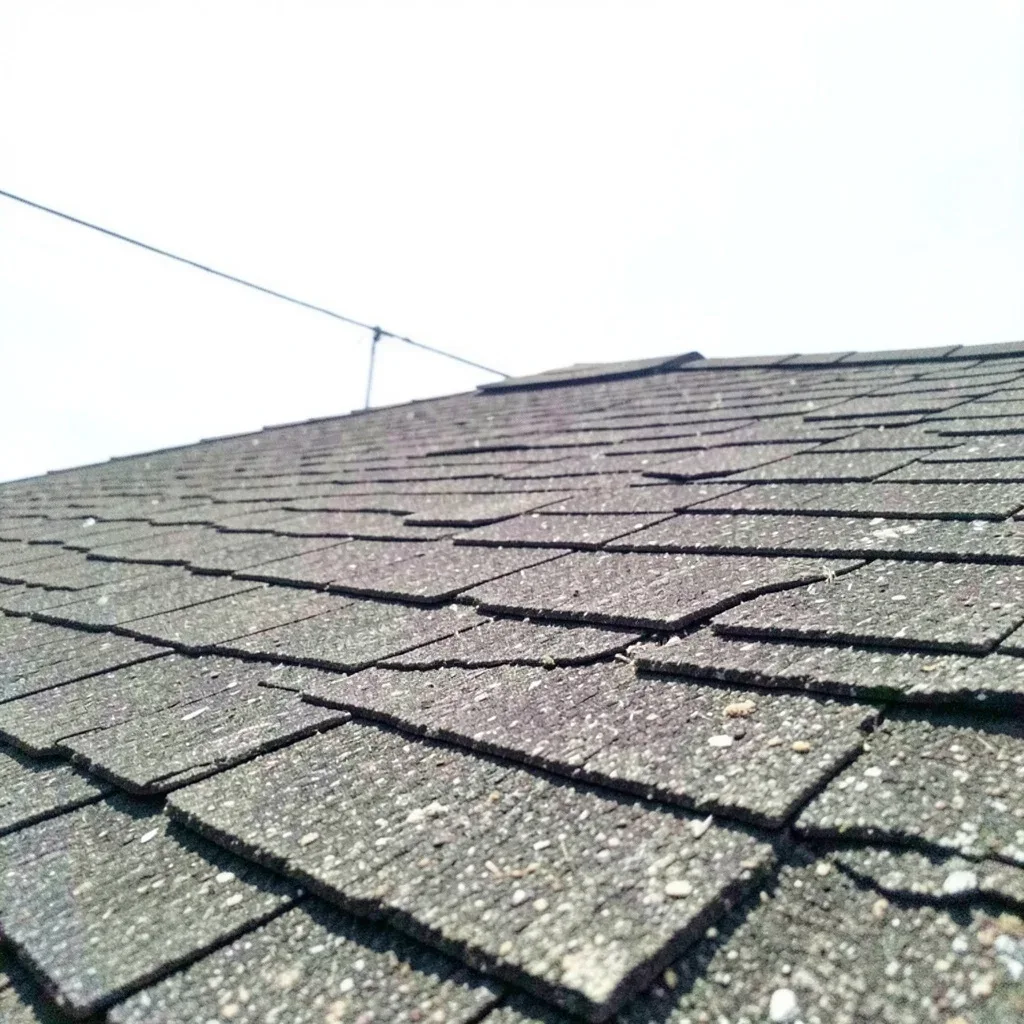
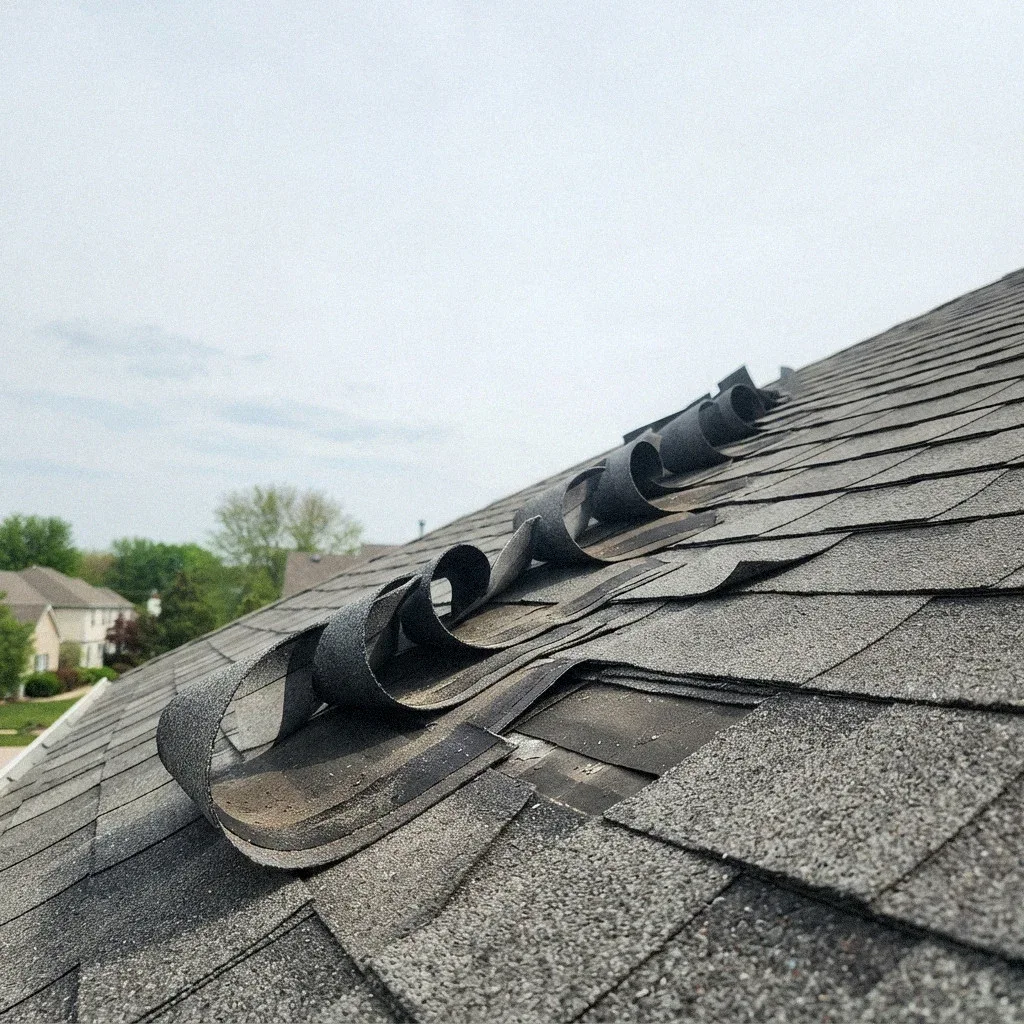
A Simi Valley purchase contract typically gives the buyer a set window to hire an inspector and flag concerns before closing. A roof that's cracked, missing tile, or showing granule loss near the ridge often triggers a closer look. Buyers weigh whether cost belongs in a repair addendum, a seller credit, or a price adjustment, and that choice usually depends on remaining useful life rather than the roof's age alone.
Repair Addendum or Seller Credit
When an inspection raises roof concerns, the negotiation usually goes one of two ways. A repair addendum has the seller arrange specific work before closing, while a seller credit lowers what the buyer pays and lets them handle the roof themselves after they own the house. Which path a Simi Valley seller picks often depends on timing and how much the buyer wants control over who touches the roof and how.
Why Lenders Watch Roof Age
Mortgage lenders care about roof condition because the roof is part of what backs the loan. An appraiser who notes an old roof, visible sagging, or signs of a leak may flag it as a lender-required repair before funding closes. This matters more in neighborhoods with a mix of original 1970s and 1980s roofs, where age alone can prompt a second look even without an active problem.
Appraisal Conditions on Old Roofs
An appraisal condition tied to the roof typically asks for proof of repair or a written opinion that the roof has enough remaining useful life to satisfy the loan. Appraisers aren't judging whether the roof looks nice; they're checking whether it's likely to hold up through the loan term. A Simi Valley home near Wood Ranch with a roof past its expected lifespan can trigger this even when the home shows no interior water damage.
Insuring a House With an Old Roof
Buyers financing a purchase need an insurance binder in place before closing, and insurers weigh roof age and condition heavily when quoting a policy. An older roof on a Simi Valley home, especially one on a hillside lot near open space, can mean a higher premium or added conditions rather than an outright decline. Insurability tends to hinge on documented condition, not just the number of years since installation.
Roof Certifications and What They Show
To settle a lender or insurer's concern without full repair, some Simi Valley sales use a roof certification, a written statement from a roofing professional describing the roof's current condition and expected remaining useful life. It doesn't replace an inspection, but it gives an underwriter something concrete to review instead of relying on a general appraisal comment about an aging roof.
Using an Escrow Holdback Instead
When roof work can't realistically finish before closing, some transactions use an escrow holdback rather than a repair addendum or credit. Money is set aside at closing and released once agreed work is done afterward. This comes up more often when a Simi Valley closing date is tight and scheduling a full re-roof or repair beforehand isn't practical for either side.
How Deferred Maintenance Reads
An old roof with a documented maintenance history reads differently to a buyer than one that's clearly been ignored. Clogged gutters, debris left after a windy season near the Santa Susana Pass, or moss in shaded valleys signal deferred maintenance beyond simple age. Buyers and their inspectors tend to treat a well-maintained older roof as a lower-risk item than a neglected one, even when both are the same age.
Knowing the Roof Before Listing
Before putting a Simi Valley home on the market with an older roof, get a clear read on its actual condition, since that drives what the seller disclosure statement should say and how buyers respond during escrow. Homes near hillside lots or backing open space sometimes draw extra scrutiny given wildfire exposure. A written roof certification, even an informal one, can shorten negotiations and reduce the odds a lender-required repair stalls closing near the finish line.
Dealing with this in your home?
Simi Valley roofs face a different clock than shaded lots elsewhere. Tract homes off Erringer Road and near Rancho Simi Community Park sit exposed under direct sun for decades, with Santa Ana winds testing every loose tile between First Street and the Santa Susana foothills. Red flag warning days push that timeline faster than most homeowners expect.