Owning a Cedar Shake Roof in Simi Valley
Cedar shake demands more attention than a tile roof does. Here's what cupping, splitting, keyways, and spaced sheathing mean for a Simi Valley home, and when repair no longer holds up.
Read article
Soft, rotted decking cut out and replaced by a local licensed pro before the new roof goes on.
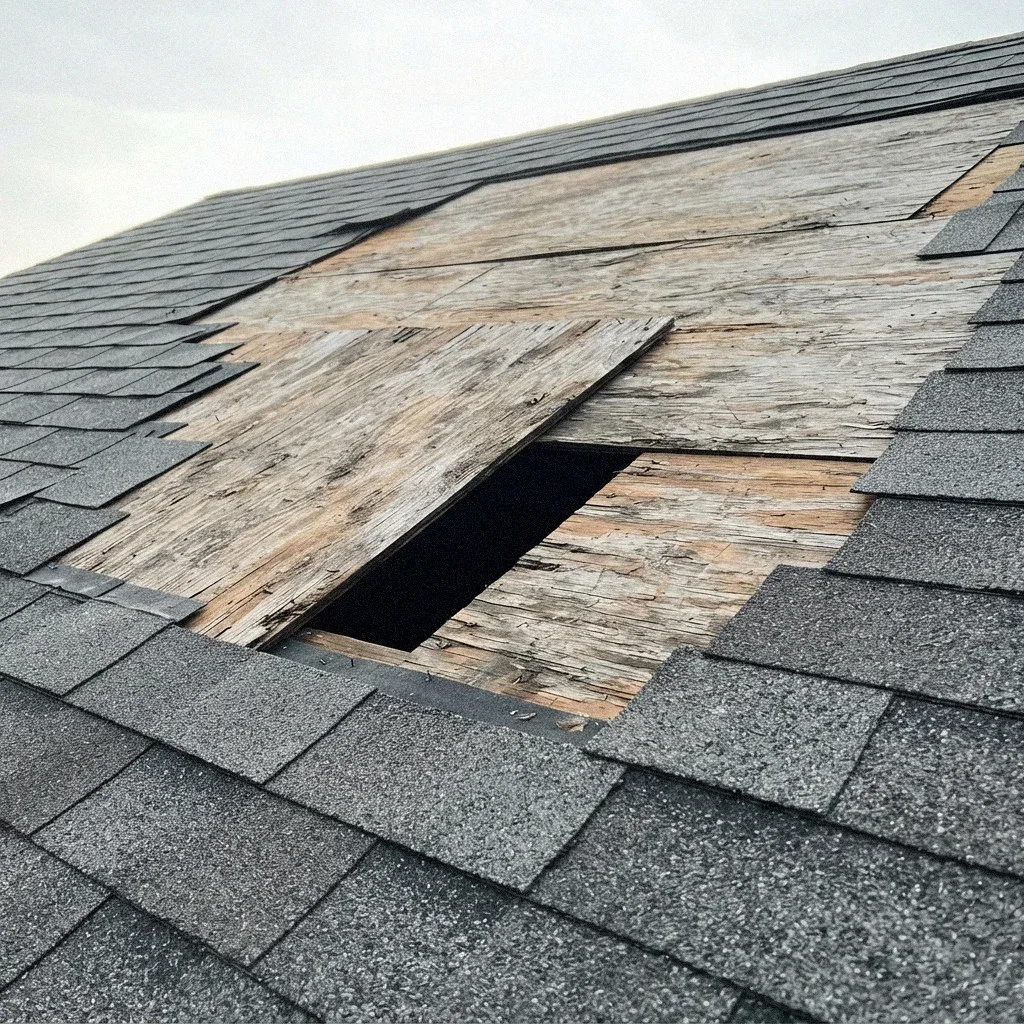
Roof decking repair in Simi Valley, CA means cutting out soft or rotted plywood or OSB and nailing down new panels before the roof covering returns.
A local licensed pro finds the bad panels, replaces them, and checks the sheet count against the city's permit line. Call now, before a soft spot turns into a leak.
A bounce underfoot near a valley or old vent boot means the plywood or OSB is flexing instead of holding firm. Tile or shingles can look fine while the panel below has already gone soft.
From the attic, a dip you can sight along the underside of the roof usually points to one weak panel or overloaded framing. It rarely means the whole deck failed at once.
Check the decking from the attic for dark staining, crumbly edges, or wood peeling into thin layers at the seams. That is dry rot working from the inside.
Older homes in Santa Susana Knolls and Santa Susana can still have spaced boards under a roof that was converted from shake. Those boards were never sealed like a solid panel deck, so they show rot the most.
The old tile or shingles come off first, because no one can judge decking while the covering is still on. This is where hidden soft spots show up.
Each exposed panel is walked and checked for flex, staining, and layering. Bad sheets get marked for removal and sound ones stay.
Spongy panels are cut out to solid wood, and any weak rafter is reinforced first. New plywood or OSB matched to the original thickness goes down.
New panels are nailed to the rafters at proper spacing, and the sheet count is checked against the city's permit threshold. The deck is confirmed sound before the new roof goes on.
Simi Valley's tract homes from the 1960s through the 80s have carried decades of Santa Ana wind and long dry summers that hide slow leaks until they reach the wood. Decking has to hold nails and a roofer's weight, and once it softens the roof above has nothing solid to rest on.
A re-roof permit is tied to how much decking gets touched, not just the covering swapped. The pros pulling the permit document any sheathing that gets cut out and replaced.
California building code allows plywood or oriented strand board under most residential roofing, and the licensed pros we connect you with match the thickness already on your house. We could not confirm the county fee schedule or the full exemption list for small patches, so check with the city first on any repair near the 100 square foot line.
Ballpark pricing for roof decking & sheathing repair around Simi Valley. Nothing is charged until you have a written estimate in hand.
| Underlayment Grade | Attic Airflow | Crew Availability |
|---|---|---|
| Manufacturer warranties on roofing materials and a contractor's labor warranty are two separate things, covering two separate failure points. A homeowner who understands which one applies to which problem asks better questions before signing anything. | Swaps cracked tiles or shingles in place, matches existing color where possible | an estimated $420–$4275 |
| Labor warranty terms vary by contractor, some running a year, others longer. Asking what happens if a leak turns up well after that window closes is a fair question, and how clearly it gets answered says something on its own. | Strips one layer, new underlayment and flashing, deck stays as-is | an estimated $600–$5850 |
| Manufacturer material warranties usually require correct installation to stay valid. That means a rushed or poor install can void coverage on shingles or tile that were never defective to begin with, leaving the homeowner to absorb the cost. | Complete reroof, new flashing and valleys, cool-roof rated material | an estimated $780–$8100 |
| Warranty terms belong in writing before the first tile or shingle comes off, not after. A verbal promise about what is covered carries no weight later, once there is disagreement about what actually failed and why. | Reroof with skylight flashing redone, no interior ceiling work | an estimated $1080–$11700 |
Cost tail: a deposit that covers most of the job upfront leaves you with little leverage if work stalls or the crew doesn't return. Tie payments to finished stages instead, and hold back real money until the roof passes its final look-over, not just a phone call saying it's done.
Only partly. A roofer can walk the deck for spots that flex, and attic staining hints at trouble. But tile or shingles hide the exact edges of the rot until they come off, so decking is priced as a range with the tear-off.
An inspection covers the roof covering, flashing, and whatever attic framing is visible. Rot under intact tile or shingles often doesn't show until the covering is stripped, and that gap is normal.
It depends on how many panels are rotted, and that is only known once the covering is pulled back. A soft spot can hide a sound panel two feet from a rotted one that looks identical from above. The pros we connect you with probe the deck at that point, and a real number replaces a guess.
Yes, when it is caught early. If the rot is limited to a section around a vent pipe or valley, the pros we connect you with cut out that section and replace it with matching plywood or OSB, tied into the existing rafters. Wide delamination across the deck, common on older tract roofs, usually means a fuller sheathing replacement.
Often, yes. Simi Valley's permit trigger is more than 10 percent of the total roof square footage, or over 100 square feet. Small patches under that line may not need one, but we could not confirm the full exemption list, so check with the city on your specific job.
Roof decking & sheathing repair in this area typically falls between an estimated $600–$4500 per job. The free inspection is what turns that range into an exact number, and you see it in writing first, with the per-sheet rate for any bad decking on it.
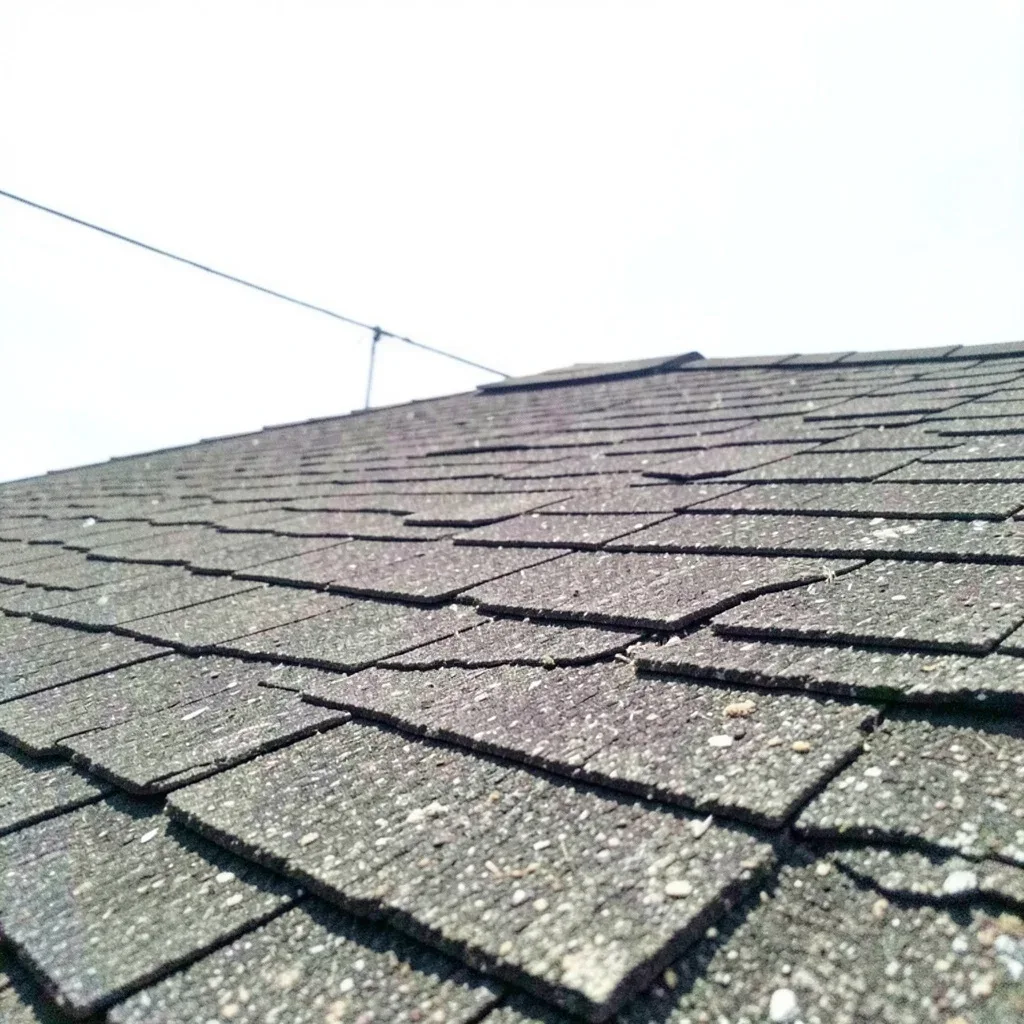
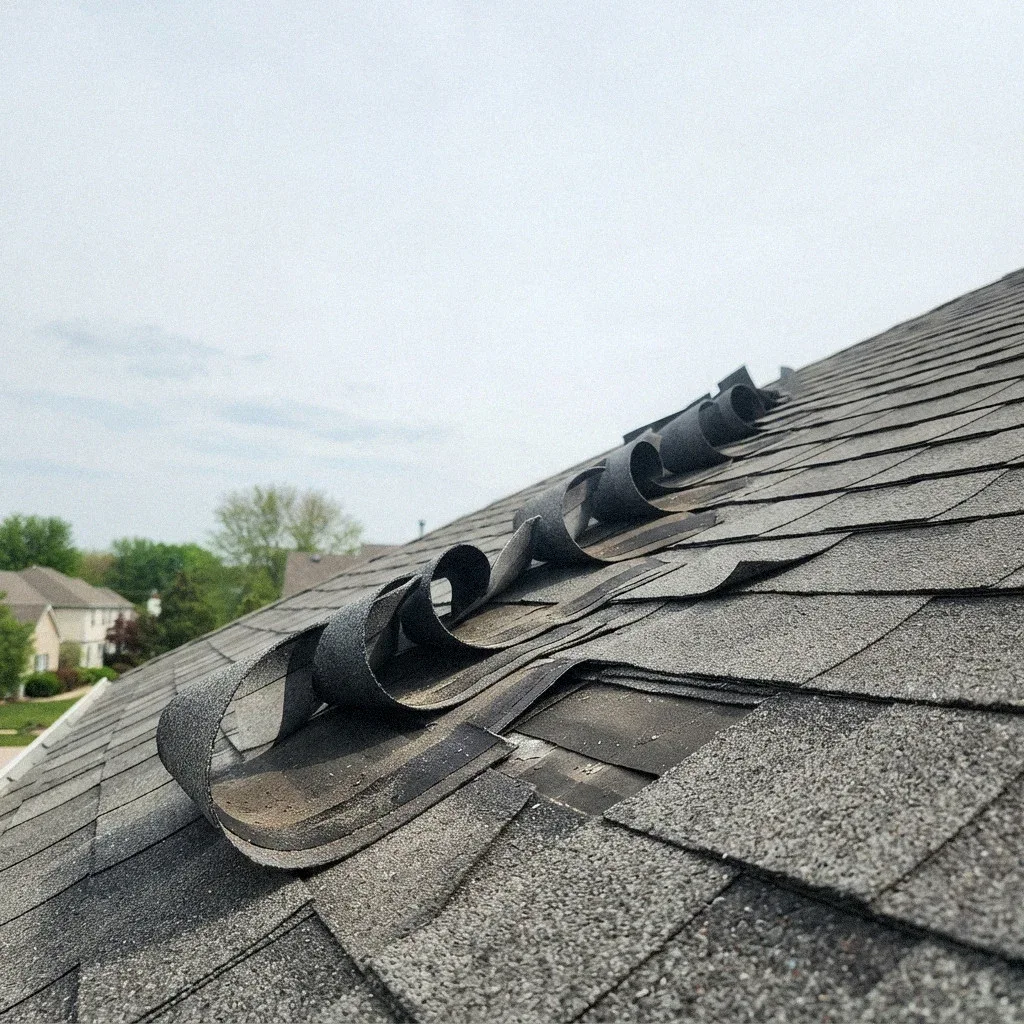
Most roofs in this valley are not beaten by one dramatic event. They're worn down by daily heat cycling, dry wind pulling at loose edges, and years of sun exposure that quietly break down materials from the top layer inward.

Cedar shake demands more attention than a tile roof does. Here's what cupping, splitting, keyways, and spaced sheathing mean for a Simi Valley home, and when repair no longer holds up.
Read article
A Simi Valley tenant with a leaking roof has real footing under California's habitability rule. Here's how notice, timing, and repair options actually line up.
Read article
Selling a Simi Valley tract home doesn't require a new roof, but a seller disclosure statement covering known material defects still applies. Expect inspection contingencies, repair addendum talk, or a seller credit if the appraisal condition flags remaining useful life or insurability concerns.
Read articleThis page covers what the service generally involves, but no two Simi Valley roofs wear the same way. A clay tile roof in Wood Ranch ages differently than a shingle roof near Sinaloa Lake, even under the same Santa Ana winds. Framing and past repairs matter too. The clearest next step is a direct look from the licensed pros we connect you with, who can tell you whether this service fits your roof or something else does.
Call (805) 463-1431