Nobody's roof fails because of one bad afternoon. A covering reaches the end of its life through a long accumulation of small conditions, most of them entirely fixable and almost none of them looking urgent while they are happening. In this valley the mix is a particular one: a great deal of heat, not much rain, and that rain arriving all at once when it comes. So the things that shorten a roof here are not the things that shorten one in a wet climate, and the list is worth going through on its own terms rather than borrowing somebody else's.
Prolonged Wetting Versus Drying Time
A roof sheds water fast when it's designed right, but a handful of storm days a year still matter. What decides whether a Simi Valley roof reaches its expected service life isn't how hard it rains, it's how long each section stays wet afterward. Shaded valleys and low spots hold water while sun-exposed slopes dry within hours, and that gap in drying time is where premature aging starts.
Shade And Hillside Lot Cover
Hillside lots near Bell Canyon and the foothill tracts closer to the Santa Susana Mountains often carry mature trees that shade part of a roof most of the day. Shaded sections dry slower after a winter storm, and that extra drying time adds up over years. A roof facing open sky at Rancho Simi Community Park ages differently than one tucked under canopy on a shaded hillside street.
Debris Retention In Valleys
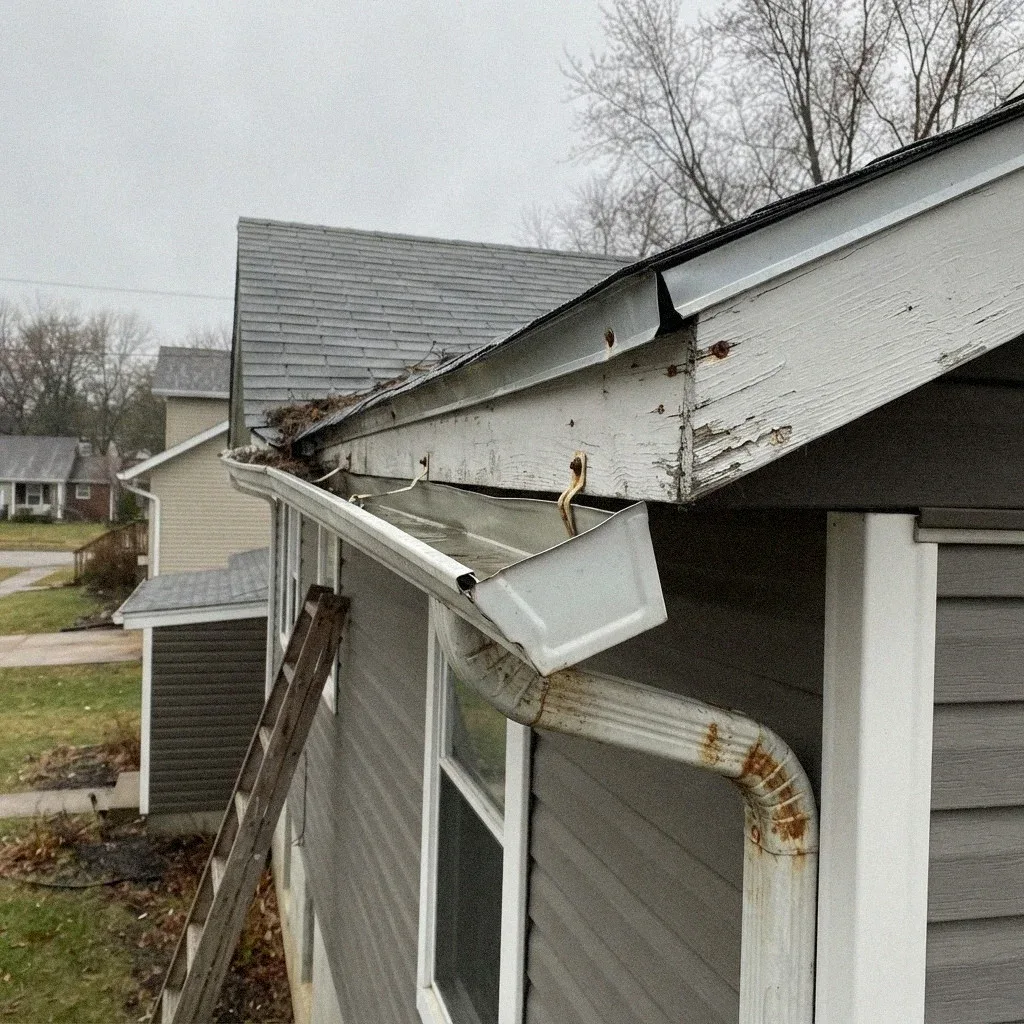
Leaves and dust collect where two roof slopes meet, and that debris does more than clog a gutter. It holds moisture against the shingle or tile surface long after the surrounding roof has dried in the valley sun. Homes near open space like Tapo Canyon Regional Park see more of this seasonal buildup, and a valley that never fully clears stays damp underneath even on dry, windy days.
Poor Drainage And Ponding
Flat or low-slope sections tucked over patios and additions depend on drainage lines and slight pitch to clear water fast. When debris retention around a drain or scupper builds up, water sits instead of moving. Poor drainage like this shows up on additions near Tapo Canyon and Wood Ranch, where roofers connected through this site see ponding form in the same low corner year after year until the deck underneath starts to soften.
Weak Flashing Details
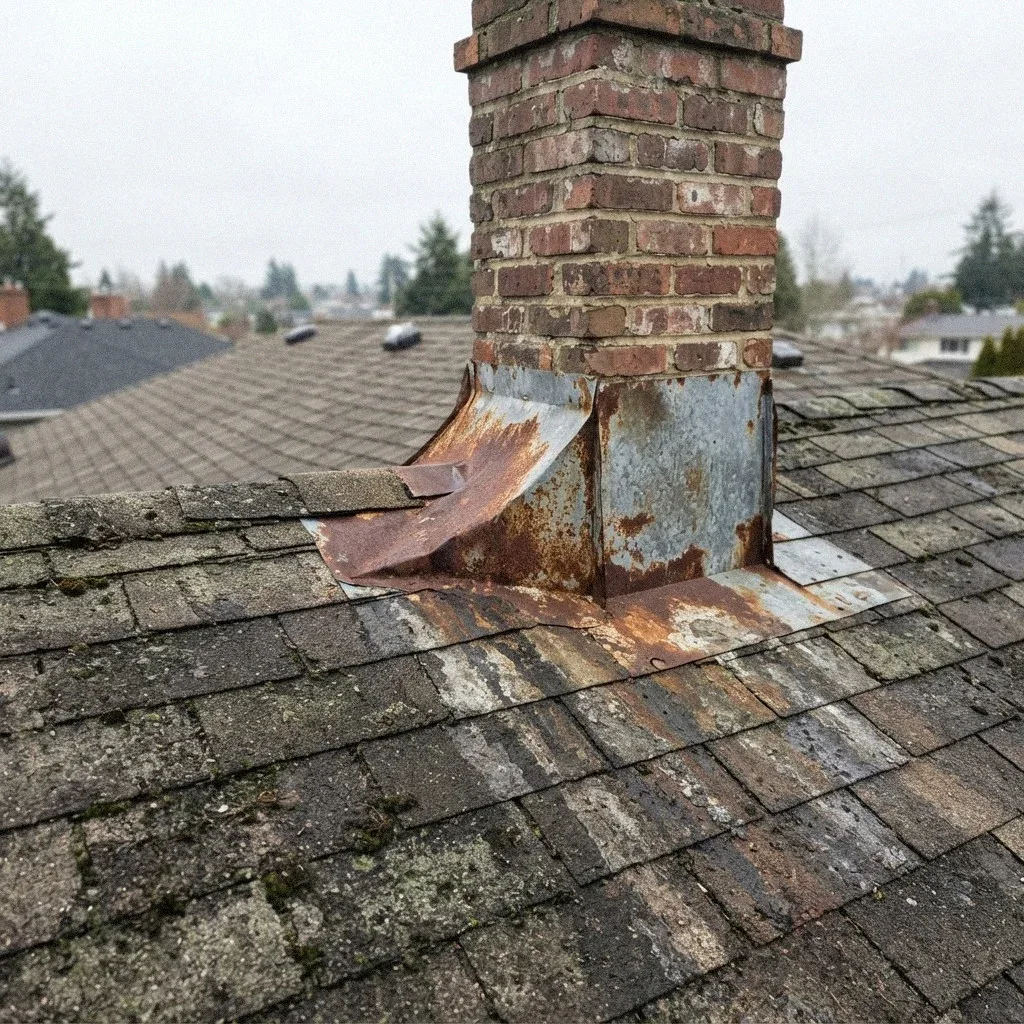
Flashing details around chimneys, skylights, and valleys give out long before open tile or shingle fields do. A flashing strip installed a little short, or one that has worked loose after years of Santa Ana wind gusts pushing debris against it, lets water track underneath instead of over. Homes near Rancho Simi Community Park and along the Arroyo Simi see this pattern often, since wind-driven grit works into these joints faster than open, unobstructed roof area.
Trapped Attic Moisture
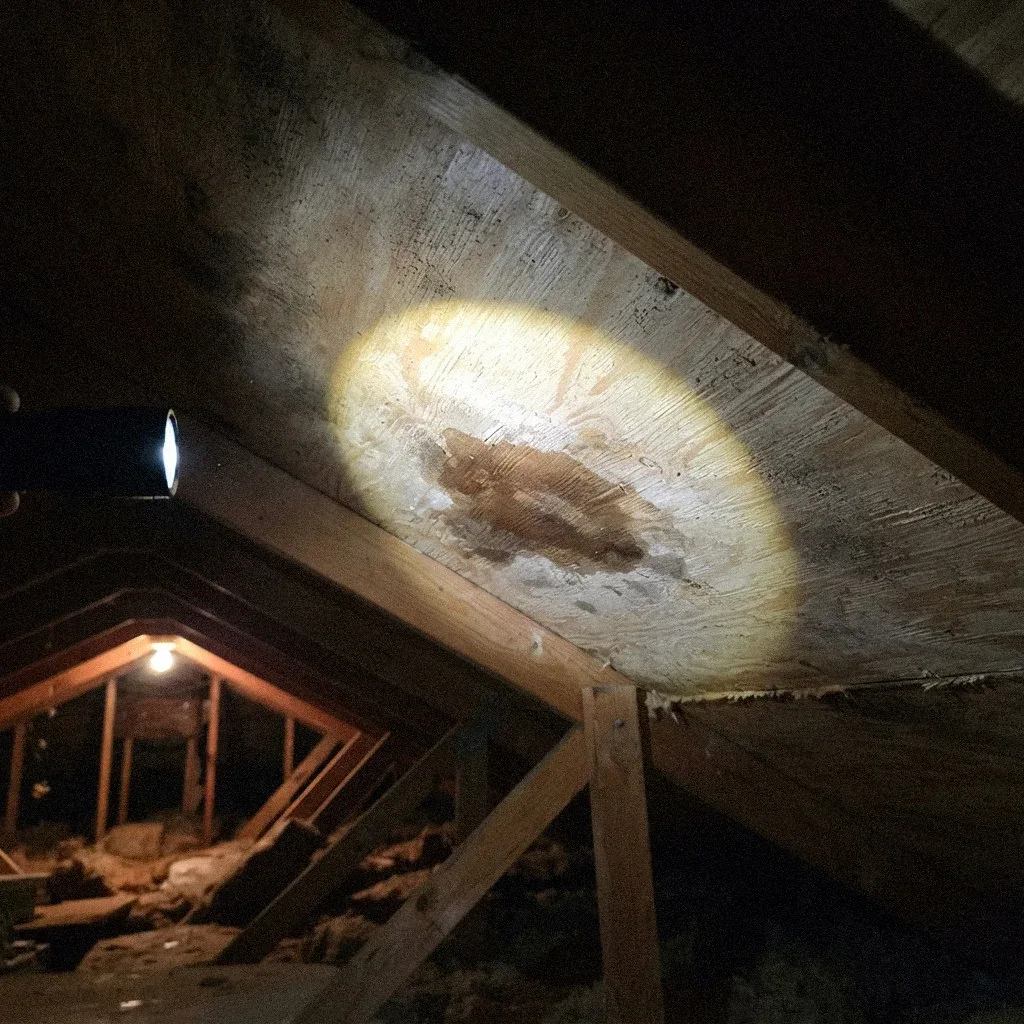
An attic that cannot move air holds whatever moisture gets into it, and in this climate most of that moisture comes from inside the house rather than through the roof. Showers, cooking and laundry all send damp air upward, and on a cold night it condenses on the underside of the deck. A vented attic clears it by morning. A sealed one, which is what a painted-over soffit produces, keeps it against the wood instead. None of that shows on the roof surface, and it is one of the quieter ways a covering loses years.
How Clay Tile Ages Differently
Many Simi Valley homes from the 1960s through 1980s carry clay or concrete tile roofs, and tile ages on its own timeline. The tile itself can outlast the underlayment beneath it by decades. Underlayment exposed to years of valley heat and the occasional hard rain breaks down quietly under tiles that still look fine on the surface, which is why a tile roof's real age is often hidden.
Why North Slopes Age Faster
A roof does not weather evenly across its own surface. The shaded north slope of a hillside home near Santa Susana Knolls often shows granule loss and a duller, aged look long before the sun-baked south side does. Shade keeps that section cooler and wetter after rain, while the opposite slope dries fast under direct valley heat. Checking both sides on the same maintenance interval, rather than judging the whole roof from one angle, catches this early.
Reading Early Warning Signs
Curling edges, dark streaking, and granule collecting in gutters are visible signs that prolonged wetting has already been at work. On a tile roof, cracked or slipped tiles exposing underlayment are the equivalent warning. None of these show up overnight after a Santa Ana wind event; they build across seasons, which is exactly why they get missed until a leak finally shows up inside.
Maintenance Interval That Matters
A maintenance check once or twice a year, focused on valleys, gutters, and flashing, catches most of these problems while they're still small and cheap to fix. Clearing debris before the winter's first real storm and checking attic ventilation each fall matters more in Simi Valley than any single repair, because the short wet season punishes anything left unaddressed.
When To Get A Second Opinion
If a roof is showing granule loss, uneven wear between slopes, or a musty smell in the attic, a second set of eyes is worth having before red flag warning days and Santa Ana winds arrive. The licensed pros we connect you with can look at flashing, ventilation, and drainage together, rather than treating each symptom as its own separate problem.
Dealing with this in your home?
Simi Valley roofs face a different clock than shaded lots elsewhere. Tract homes off Erringer Road and near Rancho Simi Community Park sit exposed under direct sun for decades, with Santa Ana winds testing every loose tile between First Street and the Santa Susana foothills. Red flag warning days push that timeline faster than most homeowners expect.